
The second plate never made it into the photo
The first plate is perfect for a picture. The vegetables are bright, the rice is still shaped by the serving spoon, and the fish has not yet been cut. You...
By PixNutri Editorial Team · Published November 23, 2026 · Last updated November 23, 2026 · 5 min read
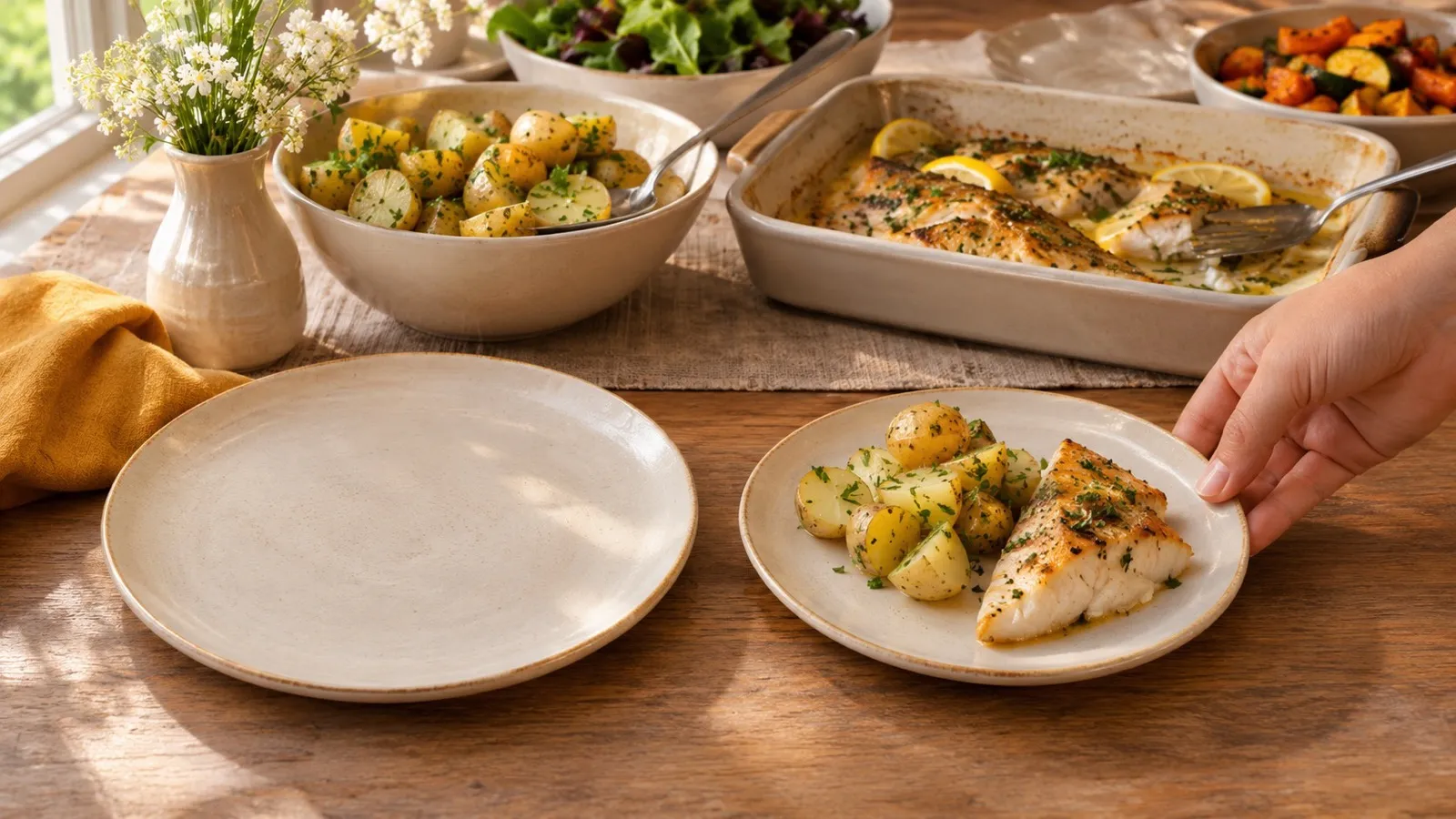
The first plate is perfect for a picture. The vegetables are bright, the rice is still shaped by the serving spoon, and the fish has not yet been cut. You take the photo, eat, and return to the kitchen for another spoonful of rice and the last piece of fish. The second plate is eaten standing at the counter. Your camera roll remembers dinner as one plate.
A meal photo is evidence, not a complete witness. It records what crossed the frame. Refills, tastes, sauces added later, and food eaten while clearing the table can all happen outside it.
Ask what happened after the shutter
Before saving a photo-based entry, replay the meal in sequence. Did you go back for more? Did someone offer you a bite? Did you add bread when the sauce was left? Did dessert arrive after the main plate was cleared?
This takes less time than analysing pixels. A single note such as “plus half a plate of rice and fish” can correct the largest omission. The objective is not to recover an exact scene from memory. It is to stop the first image from becoming the whole story by default.
If you remember the serving utensil, use it. A second scoop from the same rice spoon can be compared with the scoop visible in the photo. If the first plate held two scoops and the refill was one similar scoop, add roughly half the original rice amount. The relationship between portions is often easier to remember than their absolute weight.
Keep components separate
Do not duplicate the entire first plate when only one or two components returned. The refill may have been rice and fish without vegetables, or salad without dressing. Add what appeared on the second plate.
This is especially important for mixed social meals. A photograph of the first serving might show a little of everything. The second trip to the buffet might contain only two favourites. Calling it “another plate” hides the difference; naming the foods makes the estimate more useful.
If the second helping came from a homemade batch, weigh what remains in the serving dish after dinner and compare it with the starting amount when those measurements are available. Otherwise, use serving spoons, visible fractions, and your memory of the plate’s coverage as rough anchors.
Create a refill marker
You do not need a second polished photo. Take a quick image of the refill, even if the food is already mixed. Or add a text note to the first photo immediately: “second rice scoop, small fish piece.” The marker exists to preserve the event, not to look appealing.
Some people find it easier to leave the diary entry open during dinner and tap a duplicate component when they return to the kitchen. Others prefer not to use a phone at the table. In that case, put the serving spoon or an empty side plate somewhere unusual after a refill. The visual cue can prompt you when you clear up.
Choose a method that does not make dinner feel like clerical work. The best cue is the one you will actually tolerate on a busy evening.
Shared dishes can help reconstruct the refill
Look at what is left. If the fish dish began with six pieces and two remain after three people ate, the table consumed four pieces. That does not prove which person ate each one, but it gives the memories a boundary. If everyone remembers taking one and you remember the extra, the distribution becomes clearer.
The same logic works with bread rolls, dumplings, tacos, or other countable foods. For rice, pasta, and salad, the change in the serving bowl can provide a rough fraction. Be cautious when several people served themselves, because the shared total cannot assign an individual share without more information.
Avoid turning family members into witnesses under cross-examination. A quick “Did I take another fish piece?” is enough. If nobody remembers, make a sensible estimate and keep the uncertainty proportionate.
Photos can still be excellent starting points
The image helps identify foods, compare plate size, and preserve the first portion. It can show whether the rice covered a quarter of the plate or half, whether the fish was breaded, and whether the vegetables had visible oil or sauce. Those are useful clues.
The mistake is not taking the photo. The mistake is treating its borders as the borders of the meal. Photo-based tools can only analyse what they receive. A second plate outside the image is not a failure of recognition; it is missing input.
When reviewing an estimate, separate two questions: did the system identify the foods in the image, and did the image include everything you ate? Correct the first with better food names or portion details. Correct the second by adding the off-camera items.
The last bite while cleaning up
The refill is not always plated. A piece of roast is eaten while slicing leftovers. A spoonful of potatoes disappears before the lid goes on. These moments share the same problem: they happen after the formal meal seems finished.
If the amount is substantial enough to remember, add it to dinner. Do not create a moral category called “doesn’t count because I was standing.” The diary is describing food, not table manners. At the same time, do not chase crumbs or microscopic tastes. Focus on recognisable portions that change the story of the meal.
A ten-second closing check
When you open the entry later, look at the photo and ask three questions: What did I add? What did I leave? What happened off camera? Adjust the components those answers affect.
PixNutri’s photo tracking guide can provide the first draft. Your memory of the meal provides the edit. Tonight, the first plate was photographed beautifully. The second plate only needed one plain sentence to exist in the record.
Buffets make this especially important because each return can change categories. The first plate may be the main meal, the second a collection of small tastes, and the third dessert. Photographing only the most attractive plate creates a polished but incomplete record. If you do not want multiple photos, use one short running note: plate one, plate two, dessert. Add the foods while they are still easy to name, and estimate the amounts later.
Drinks can also sit outside the frame. A refillable glass, shared bottle, or coffee after dinner may never appear beside the plate. Include beverages in the closing check. The photo’s composition was chosen for aesthetics; the meal’s composition includes everything you consumed.
Written by the PixNutri Editorial Team. PixNutri provides general information, not medical advice. Learn how we work: Methodology · Nutrition sources · Editorial policy
Spotted a factual error? Report it to our editorial team. We review every report and update the page if needed.
