
The photo saw a sandwich. The menu knew what was inside.
The photograph shows two slices of toasted bread, a fringe of lettuce, and a cut edge with something pale in the middle. It is clearly a sandwich. It is...
By PixNutri Editorial Team · Published November 23, 2026 · Last updated November 23, 2026 · 5 min read
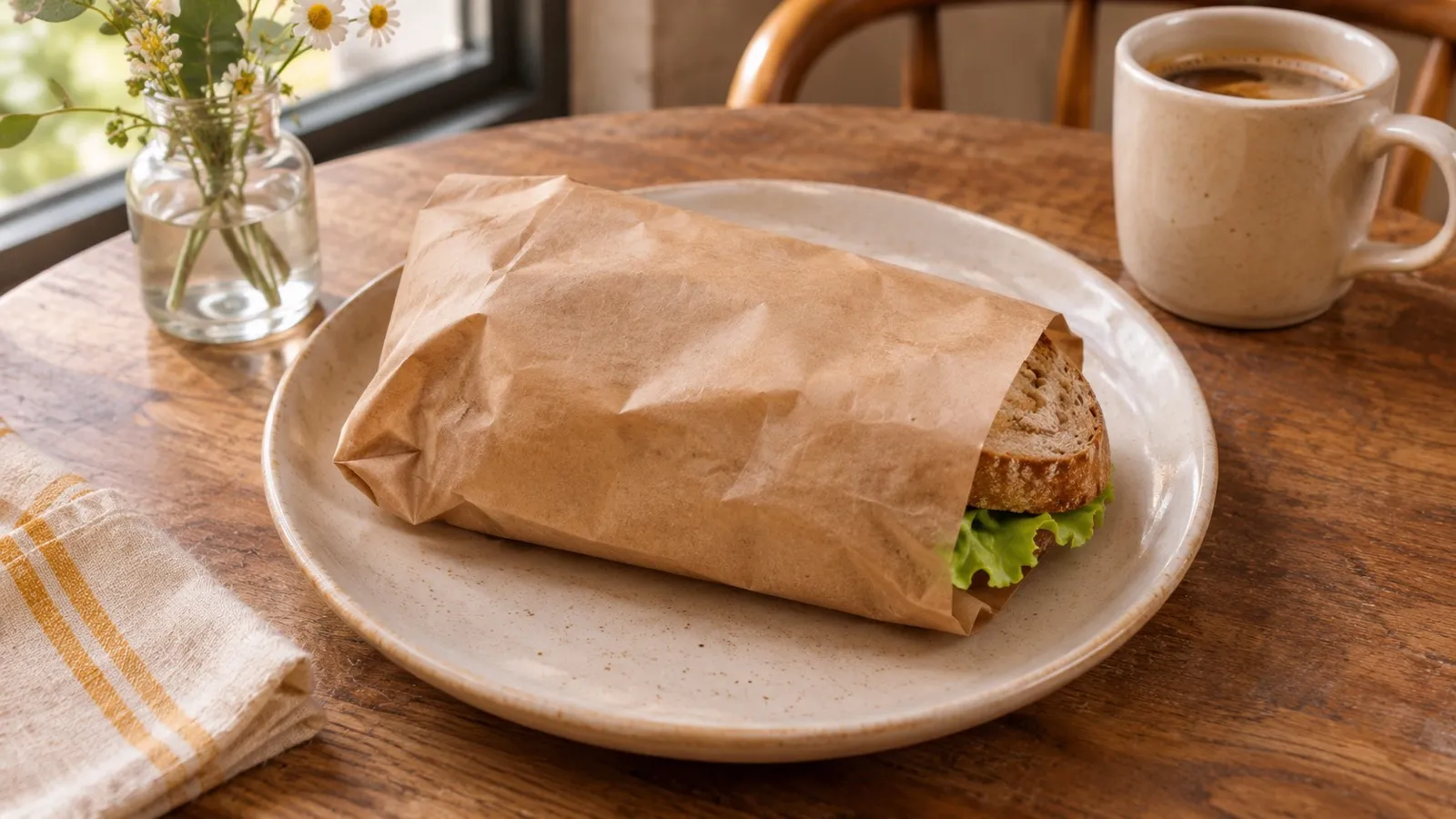
The photograph shows two slices of toasted bread, a fringe of lettuce, and a cut edge with something pale in the middle. It is clearly a sandwich. It is not clearly the sandwich you ordered: chicken with herb mayonnaise, cheese, avocado, and a seeded spread hidden under the top slice.
An image can recognise the category while missing the recipe. The menu supplies the ingredient story that the camera cannot see.
Combine two imperfect sources
Use the photo for shape, size, bread type, visible fillings, and the portion you actually received. Use the menu for hidden ingredients, preparation, and named sauces. Neither source is complete alone.
A menu description may say “roasted chicken, aged cheddar, avocado, greens, herb mayonnaise on sourdough.” That list does not provide exact amounts, but it prevents a plain chicken sandwich estimate from silently dropping the cheese, avocado, and mayonnaise.
Menus can also embellish. “Our famous garden crunch” may reveal less than the cut edge. Translate brand language into ordinary ingredients, then compare it with the food. If the menu lists bacon and none appears in either half, ask whether it was omitted rather than adding it automatically.
Open the sandwich before the first bite
Lift the top slice for a quick look. You can see whether sauce is a thin swipe or a thick layer, whether cheese covers the whole bread, and whether the protein is sliced or formed into a patty. A second photo of the inside often improves the estimate more than a more carefully framed exterior shot.
Do this while the sandwich is intact. After several bites, ingredients shift, sauces soak into the bread, and the remaining half may not represent the starting distribution. You do not need to dismantle lunch; one glance is enough to confirm the menu’s invisible parts.
If the sandwich is packaged, the ingredient list may reveal oils, spreads, or fillings that the front label shortens. Use the nutrition panel for the product as sold when available, and adjust only if you ate a clearly different portion.
Bread is a portion clue, not just a label
“Two slices” can describe very different sandwiches. Compare the bread with the plate, your hand, or a standard object already in the scene. Thick café sourdough, compact packaged bread, and a long roll require different references.
If the restaurant publishes nutrition, match the exact menu item and size. If you are estimating independently, identify bread style and approximate weight or dimensions. Avoid choosing a generic sandwich entry whose bread is half the size of what you ate simply because the filling name matches.
The crust can help too. A broad open crumb suggests a different loaf from soft square sandwich bread. The point is not culinary taxonomy. It is selecting a reference with a plausible portion.
Hidden sauces deserve ordinary language
Sauce is often the largest unseen variable. The menu may call it aioli, special sauce, remoulade, pesto cream, or house dressing. Start by identifying the broad type: mayonnaise-based, oil-based, cheese-based, or something thinner. Then estimate whether it was a light spread, a spoonful, or a generous coating.
Do not infer an exact recipe from the name. Two cafés can use the same word for different preparations. If the restaurant publishes ingredient or allergen information, it can clarify the base. If it publishes nutrition for the full sandwich, that total is usually stronger than rebuilding the sauce from scratch.
When sauce remains on the wrapper or plate, note it. You probably did not eat every gram applied, but a lightly stained wrapper does not justify deleting the sauce from the entry. Keep the adjustment proportionate to what is visible.
Customizations change the menu reference
You may have asked for no cheese, added bacon, switched the bread, or eaten only half. Save those changes beside the menu item. The restaurant’s standard description is your baseline, not a command to record ingredients you did not receive.
For a half sandwich, check whether the halves were equal. A diagonal cut through a rectangular sandwich usually produces similar pieces; a long roll cut off-centre may not. If you saved the other half, weigh or compare it before assuming an even split.
Side dishes belong in their own entries. The photo may show crisps, salad, or soup beside the sandwich, while the menu’s nutrition figure may or may not include them. Read the serving description before adding or removing anything.
A practical two-photo workflow
Take one photo of the whole plate for scale and one quick photo with the top lifted. Save the menu name or screenshot the description. Then write the entry from all three: exterior, interior, and recipe description.
If a photo-based estimate identifies “sandwich,” edit it into the specific food you ordered. Add the hidden cheese, avocado, and spread if they were present. Remove a listed ingredient if the kitchen omitted it. Keep the portion anchored to the sandwich in the image rather than an idealised menu photograph.
PixNutri’s photo logging guide is a starting point for the visible meal. The menu is the second lens. Together they can see through the bread without pretending the camera has x-ray vision.
Hot sandwiches add another hidden layer: cooking fat on the outside. Grilled bread may be brushed with butter or oil before it reaches the press. A photograph shows browning and sheen but cannot identify the amount. The menu may say grilled, toasted, or panini without naming the fat. If the restaurant publishes nutrition, let the full-item value carry that preparation. If you are rebuilding the sandwich, include a reasonable cooking-fat estimate and mark it as uncertain.
Temperature also changes the cut view. Melted cheese and sauce can disappear into bread, while cold fillings stay distinct. Absence from the visible cross-section is not proof an ingredient was omitted. Check both halves, the wrapper, and the menu before deciding.
If the sandwich came with a skewer holding layers together, remove it before weighing any remainder. The same applies to paper liners, foil, and the small cup of pickles tucked into the basket. A photograph may visually group them with lunch, but the portion estimate should follow edible components. When you leave bread crusts or a substantial filling, photograph the remainder or name it directly. The menu explains what began inside; the plate explains what did not end inside you.
Written by the PixNutri Editorial Team. PixNutri provides general information, not medical advice. Learn how we work: Methodology · Nutrition sources · Editorial policy
Spotted a factual error? Report it to our editorial team. We review every report and update the page if needed.
