
The pie was cut into eight. Someone took the corner.
The pie cools on the counter while you look for a knife. Someone has already pointed to the corner. “That one, please.” They know what they’re asking for....
By PixNutri Editorial Team · Published November 23, 2026 · Last updated November 23, 2026 · 5 min read
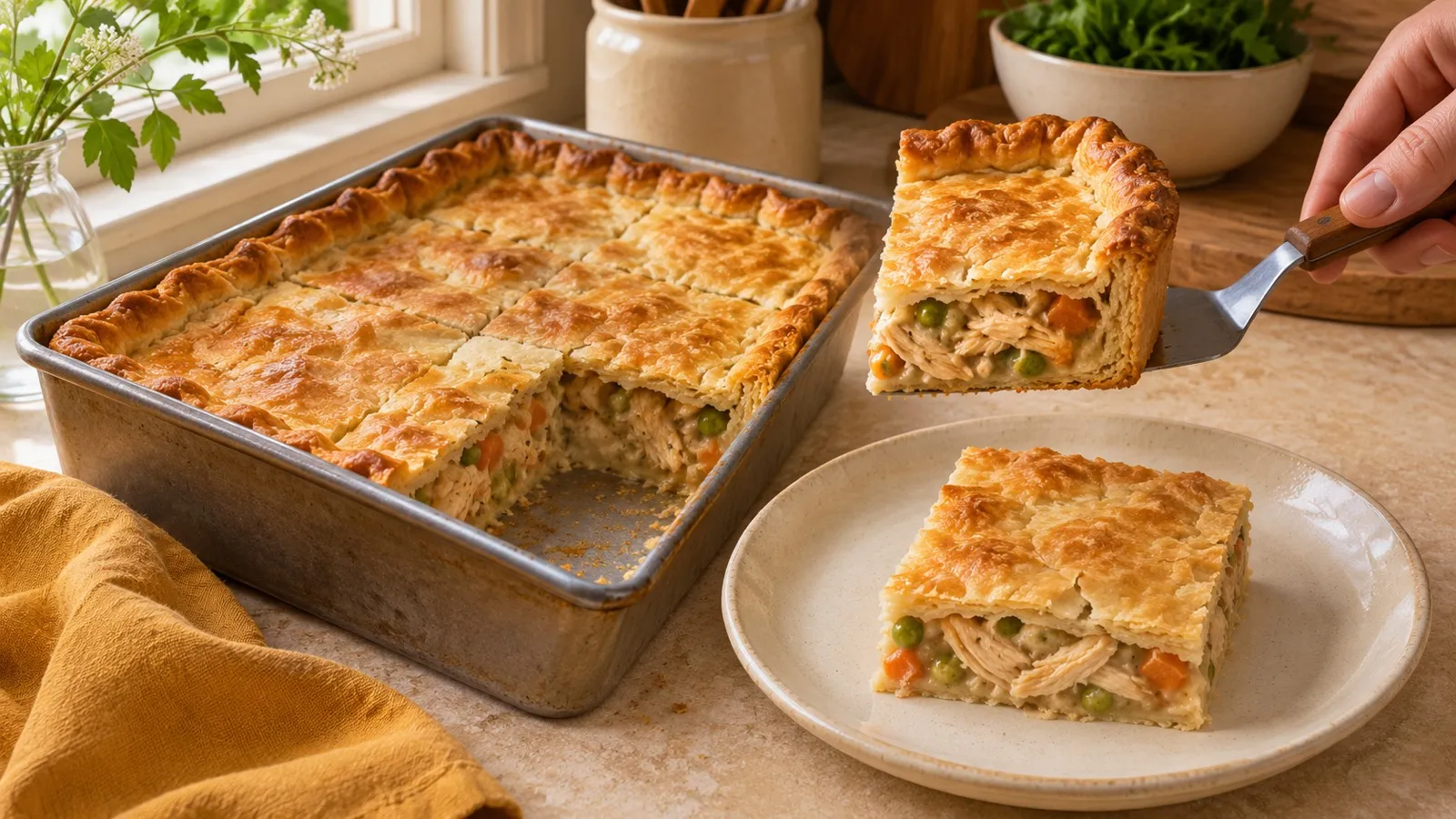
The pie cools on the counter while you look for a knife. Someone has already pointed to the corner. “That one, please.” They know what they’re asking for. There’s crust along two sides and a little ridge where the pastry met the tin.
The recipe says eight servings. You cut eight pieces. Later, when you try to put your slice in a food diary, the serving count sounds more helpful than it turns out to be. You picked a middle piece. Someone else picked the corner precisely because it was different.
Look at the pieces before you open the calculator
Set the two pieces on a board and turn them so you can see the sides. A broad middle piece may carry plenty of filling. A smaller corner can have thicker pastry where the base turns upward. If you only look down from above, you can easily miss the difference that made someone ask for the corner in the first place.
Now weigh each piece if you want to see how much the serving size differs. You might discover that the corner is heavier because of the extra pastry. You might discover it’s lighter because you cut it smaller. The scale will settle the weight question. The cut side will tell you something about what makes up that weight.
That distinction matters if you’re estimating nutrition from a recipe. A slice’s share of the finished weight is a practical starting point. The result assumes your piece has a composition close enough to the average across the pie. You can look at the piece on your plate and decide how well that assumption fits.
Keep the whole pie and the slice in the same calculation
If you know the ingredient amounts, start by estimating the total for the whole pie. Use the quantities you actually put into the tin. If you rolled out more pastry than you used and trimmed a strip from the rim, leave the unused strip out where you can. If the recipe calls for a whole jar of filling and you used half, record half. Thinking about what went into the tin is often more useful than chasing down a better-looking total later.
After baking, weigh the finished pie without the tin. You can weigh the empty tin beforehand and subtract it from the combined reading, provided the scale can handle both. Then weigh your slice. Divide the slice weight by the finished pie weight and multiply by the recipe total.
Suppose the whole pie weighs 960 grams and your slice weighs 144 grams. You have 15 percent of the pie by weight. If your ingredient total was 2,400 calories, the estimate for that slice is 360. Those are illustration numbers. If you had taken one eighth of the same recipe total, you’d have recorded 300. In this example, weighing the slice gives you a better answer about how large it was relative to the whole pie.
The estimate still treats each gram as if it came from an average slice. When there’s extra crust on your plate, it’s helpful to notice that assumption rather than mistake the scale reading for a measurement of the filling and pastry separately.
Decide whether you actually need the extra detail
If you’re making the pie yourself and want to know more about the pastry and filling, do the work while they’re still separate. Write down how much dough went into the dish and how much filling you used. You’ll have the information needed to reason about the components later. After baking, the pastry and filling can lose different amounts of water. A raw weight and a cooked weight refer to different stages, so keep any comparison on a consistent basis.
For a one-off slice, I’d usually stop earlier. A weight-based entry and a short note like “corner, extra crust” capture two different things I can verify at the table. Pulling the slice apart after dessert would leave me guessing about a lot of the same details and with a rather sad-looking pie.
You might make a different choice if you’re trying to reproduce a particular recipe. Say the corners came out with such thick pastry that they took longer to cook and no one wanted the last two. Next time, you can roll the pastry more evenly or trim a little from the corners. The useful measurement for that job might be the thickness before the pie goes into the oven, rather than the weight of a corner afterward.
What to write when someone else brought the pie
At a friend’s place, somebody brings out a tray and cuts you a piece before you’ve even asked what’s in it. You can probably identify the filling. You may have no idea what pastry they used, how much sugar went in or whether the piece is close to an eighth.
If you want to record it, use a comparable pie and a rough portion. If the baker says it came from a known recipe, use that as a reference if it’s convenient. If you’re the only person interested in reconstructing the ingredients, you can leave the entry approximate and finish eating with everyone else.
That can be as simple as “small middle piece of apple pie.” Next time you open the diary, those words will tell you more about the meal than “one serving” on its own. If you happen to be serving another piece the next day, weigh that one while the tin is still out. A later measurement can help you understand the size of the slice in front of you without pretending you recovered the exact weight of the slice you ate yesterday.
A useful note to leave beside the recipe
If this is your own pie, write the date, the cooked weight and how you cut it. When you make it again, you’ll know whether the bigger tin produced thinner pieces or whether you actually rolled the pastry differently. If you freeze a couple of slices, mark their weights on the containers so you can keep them connected to the recipe after you forget what the pieces looked like.
And if someone calls the corner next time, give it to them. They’ve just told you the most useful thing about that serving without touching the scale.
For a recipe to practice with, start with PixNutri’s recipes with ingredient weights. Write down the finished weight before cutting or serving. Then take a closer look at what ends up in the piece you actually choose.
Written by the PixNutri Editorial Team. PixNutri provides general information, not medical advice. Learn how we work: Methodology · Nutrition sources · Editorial policy
Spotted a factual error? Report it to our editorial team. We review every report and update the page if needed.
