
The app asked what you had. You remembered how you cooked it.
The answer seems simple: potatoes. Then the app offers boiled potatoes, baked potatoes, fries, mashed potatoes, and roasted potatoes with oil. The...
By PixNutri Editorial Team · Published November 23, 2026 · Last updated November 23, 2026 · 5 min read
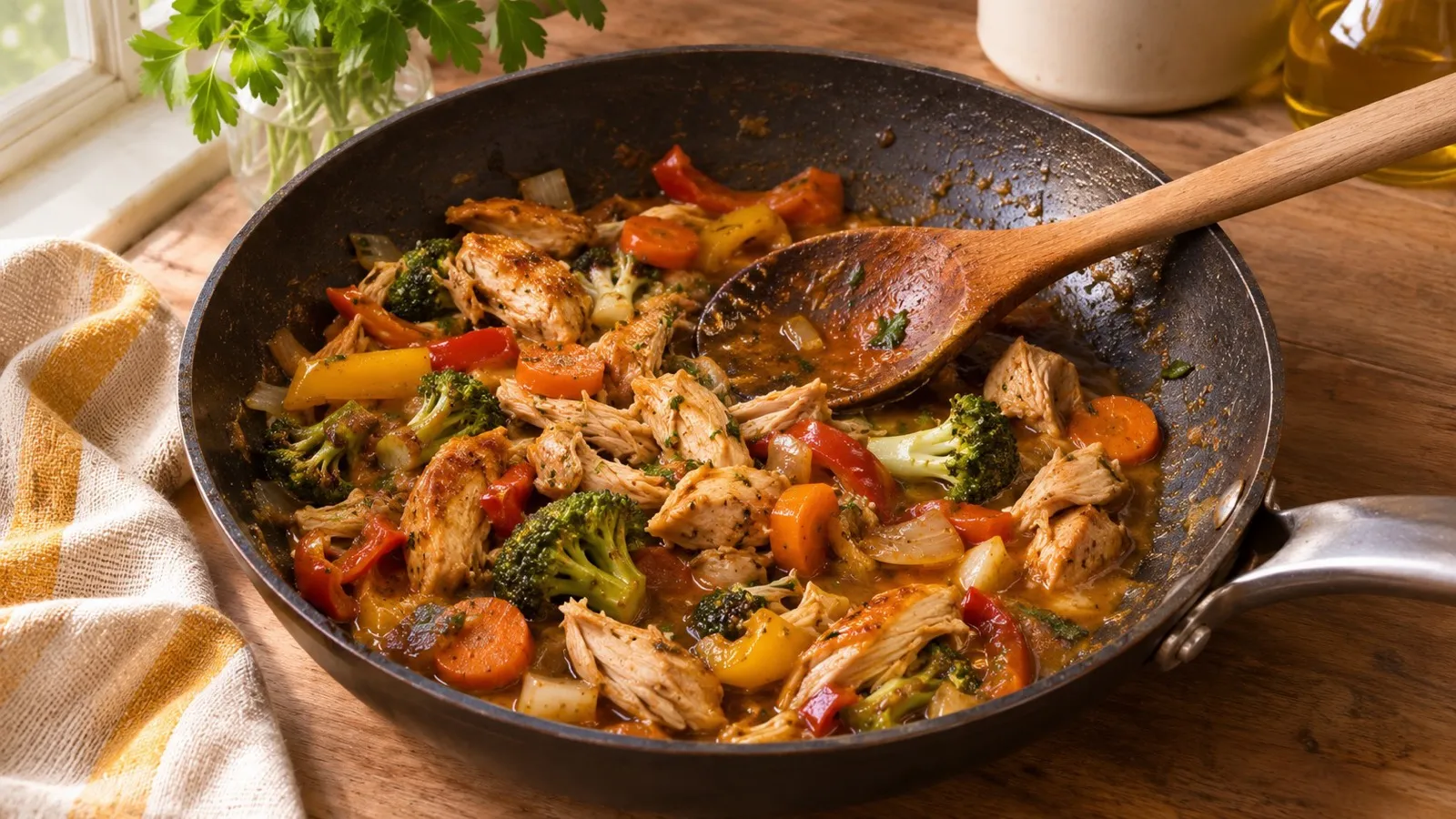
The answer seems simple: potatoes. Then the app offers boiled potatoes, baked potatoes, fries, mashed potatoes, and roasted potatoes with oil. The ingredient is the same family. The preparation is part of the food you ate.
Remembering what was on the plate gets you halfway. Remembering what happened in the pan, oven, or pot connects the ingredient to the right reference.
Start with ingredient, state, and additions
Describe the food in three layers. What was it? Was the measured amount raw or cooked? What was added during preparation?
“Potatoes” becomes “cooked roasted potatoes with oil.” “Chicken” becomes “skinless chicken breast, cooked, pan-fried with oil.” “Vegetables” becomes “steamed broccoli with butter added after cooking.” These descriptions are easier to match than a generic noun.
The wording does not need to be culinary. It needs to distinguish preparation states that change weight or add ingredients.
Cooking changes water and therefore weight
Foods can lose water in the oven or absorb water in a pot. A cooked weight cannot always be placed into a raw-food entry. The nutrients from the original food are now distributed across a different finished weight.
When possible, match a cooked weight with a cooked reference. For homemade recipes, record the raw ingredients and finished cooked batch weight. Your serving can then be estimated as a share of the food you actually made.
If you only have a cooked portion and a raw reference, use a reliable yield factor for that specific food and method or choose a comparable cooked entry. Avoid a universal raw-to-cooked conversion; different foods and methods change differently.
Fat belongs where it was used
Oil in a pan, butter on vegetables, cream in mash, and dressing after cooking are ingredients. Record the amount used for the batch, then consider how much remained in the pan or bowl. Exact absorption can be difficult to know, so keep the estimate honest.
A database entry labelled “fried” may already include an assumed amount of fat. Adding your cooking oil on top without reading the description can double count it. Conversely, choosing a plain cooked entry and forgetting the oil leaves a real ingredient out.
Pick one approach: a prepared-food reference that includes a matching method, or a plain-food reference plus the additions you used. The second is often stronger for home cooking because you know your ingredients.
Coatings and sauces change the category
Breaded fish is not plain baked fish. Vegetables roasted in a sweet glaze are not plain roasted vegetables. A marinade can contribute some ingredients even if part remains in the bowl.
Record coatings from the recipe when possible. For marinade, note the starting amount and what was discarded; do not automatically assign the entire bowl to the food. If a commercial sauce was used, the label provides a reference for the amount added.
When eating out, the menu description can reveal preparation: battered, crispy, glazed, creamy, grilled, or steamed. Use those words to refine the entry, while recognising that restaurant recipes remain estimates unless published.
Leftovers preserve preparation clues
The surface tells a story. A sheen suggests added fat, browned edges suggest roasting or frying, and a coating shows breading or glaze. The pan can show what remained. Packaging in the bin can identify the sauce or cooking fat.
Use these clues if you are logging later. A grocery receipt can confirm which cut of meat or frozen product you bought. A photo can show skin, breading, or sauce. The goal is not forensic certainty; it is to move beyond an entry that contradicts the visible preparation.
If you cannot remember whether oil was used, choose a reasonable prepared reference and note the uncertainty. Do not invent an exact spoonful.
Save repeatable methods as recipes
If you cook potatoes the same way every week, save the method: raw potato weight, oil added, seasonings, and finished weight. Name it “weeknight roasted potatoes,” not simply “potatoes.” The next serving can reuse a reference built from your kitchen.
Create a new version when the method changes substantially. Air-fried with a light spray, deep-fried, and boiled then buttered should not all inherit one recipe because the ingredient noun stayed the same.
Short recipe notes can record flexible elements: “oil weighed before adding; some remained on tray.” This protects the estimate from looking more exact than it was.
Let the prompt improve your memory
When the app asks what you had, answer with a small mental checklist: food, cooked state, method, additions, portion. Correct the item if any of those do not match.
PixNutri describes its nutrition data and estimation approach in PixNutri’s methodology. The food name opens the search. Preparation chooses the useful result.
Tonight, the potatoes were not difficult to identify. The important memory was the tray: oil, browned edges, and a cooked portion. That was the part the noun could not say.
Appliances do not define the method by themselves. “Air-fried” can mean food cooked dry, sprayed lightly, or coated generously with oil. “Slow-cooked” says little about sauce, meat cut, or added sugar. Record what entered the appliance rather than relying on its name as a nutrition category.
Batch cooking creates another state change when food is reheated. Reheating in a dry pan, microwave, or oven may alter moisture, and adding oil or sauce creates new ingredients. Keep the original cooked portion as the base and record the additions. You do not need a new generic entry called reheated chicken.
When skin, bones, or cooking liquid are discarded, note that too. Preparation includes what was removed as well as what was added. A stock may extract flavour from ingredients that are later strained; a roasted chicken entry may describe meat with or without skin. The best match follows the edible portion to the plate.
Seasonings usually need proportionate attention. Salt, herbs, and dry spices may matter for particular nutrients or medical goals even when their energy contribution is small. Sugar, honey, flour, breadcrumbs, and nut coatings can contribute more and should be recorded with the batch. Decide based on what the diary is meant to help you understand.
Cooking sprays are another ambiguous label. A “zero” value on a tiny labelled serving does not mean any duration of spraying contains nothing. Weigh the can before and after if the amount matters, or use a reasonable estimate based on the product instructions. Do not turn a rounded label value into a claim that the ingredient vanished.
Finally, ask whether cooking liquid was eaten. Pasta water poured away differs from broth served with soup. Oil in a marinade that was discarded differs from sauce spooned over the plate. Following ingredients through the method prevents both automatic inclusion and automatic omission.
Written by the PixNutri Editorial Team. PixNutri provides general information, not medical advice. Learn how we work: Methodology · Nutrition sources · Editorial policy
Spotted a factual error? Report it to our editorial team. We review every report and update the page if needed.
