
The diary gave dinner a very specific number
You photograph a restaurant bowl, choose the closest foods, adjust the portions, and receive a total down to the last calorie. The number looks...
By PixNutri Editorial Team · Published November 23, 2026 · Last updated November 23, 2026 · 5 min read
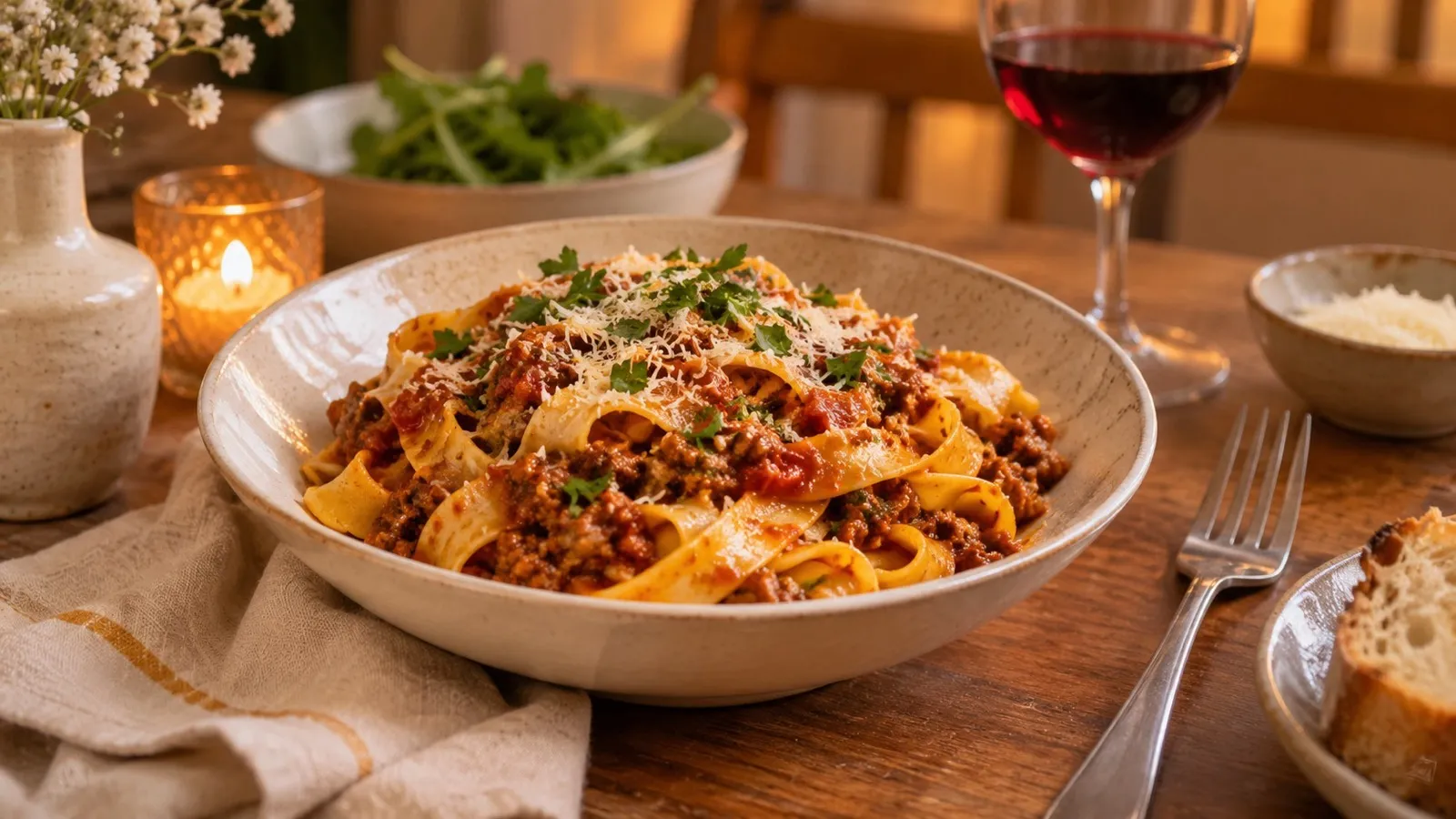
You photograph a restaurant bowl, choose the closest foods, adjust the portions, and receive a total down to the last calorie. The number looks authoritative because it is specific. The meal was not.
The rice was estimated from a photo. The sauce recipe was unknown. The chicken amount came from a generic entry. A precise total can be the arithmetic sum of several uncertain inputs. More decimal places do not make the ingredients more certain.
Separate calculation from measurement
Software calculates exactly from the values it receives. If you enter 143 grams of rice and select a database value per gram, the multiplication can be exact. But if 143 grams was a visual guess, the result inherits that uncertainty.
This does not make the calculation useless. It means the displayed number should be interpreted as an estimate around a plausible centre, not a laboratory result. The diary did its arithmetic correctly; it cannot know how the sauce was made or whether the bowl held 130 or 160 grams of rice.
Ask which inputs were measured, which came from labels, which were visually estimated, and which were inferred from a generic recipe. That map of evidence tells you more than the final digit.
Match the confidence to the source
A sealed product with a current label and a measured consumed amount can support a relatively tight estimate. A homemade batch with weighed ingredients and finished weight can also be strong, though cooking losses and uneven distribution still matter.
A restaurant dish with no published recipe is broader. A photo can identify components and approximate size, while the menu can reveal hidden ingredients. Oil, sauce, and preparation remain uncertain. The result should be used as a practical estimate, not proof of an exact intake.
Mixed meals often contain inputs of different quality. You may know the bottled drink exactly, estimate the bread reasonably, and have little information about the dressing. There is no need to reduce the whole meal to the confidence of its weakest part. Keep the components and their evidence distinct.
Rounding can communicate honesty
If the inputs are rough, mentally round the result to a useful level. You do not have to edit the app’s display, but interpret 687 as “about 690” or an appropriate range rather than a claim that the meal contained exactly 687.
The right rounding depends on the situation. A weighed packaged item may justify more detail than a shared restaurant plate. Consistent rounding also prevents small changes in guesses from looking like meaningful nutritional changes.
Do not round inputs carelessly before calculation when you have real measurements. Keep the measured values, let the app calculate, then interpret the output in light of the measurement quality.
Compare meals using like evidence
Suppose Monday’s dinner was a home recipe measured carefully and Tuesday’s was takeout estimated from a photo. A small difference between the totals may reflect estimation noise rather than a meaningful change in what you ate.
Look for patterns that are larger than the uncertainty and repeat across days. Ingredient choices, portion habits, and meal structure may be more stable signals than a narrow numerical gap between unlike records.
When reviewing progress, avoid treating estimated days as exact counterweights to measured days. The diary is a map made from different kinds of observations. It is useful precisely when you remember that fact.
Notes preserve the quality of the estimate
Add short source notes: “restaurant estimate from menu and photo,” “weighed homemade batch,” “package label, ate half,” or “reconstructed from receipt.” These phrases tell future you how much trust to place in the detail.
They also save work. If you order the same restaurant bowl again, you can reuse the estimate and adjust the portion rather than repeat the entire search. The note reminds you which parts were never known.
For custom recipes, document substitutions and finished weight. For database entries, save the brand and state: cooked, drained, or dry. Good metadata keeps precision connected to meaning.
Precision can distract from the useful action
You can spend ten minutes debating whether a sauce was two or three tablespoons while overlooking that half remained in the cup. You can refine the rice estimate by a few grams while using an entry for dry rice on a cooked portion.
Fix the large structural mismatches first: wrong product, wrong unit, wrong food state, omitted component, or uneaten remainder. Only then decide whether finer portion detail would change anything you plan to learn from the record.
A diary is most useful when it helps you notice repeatable choices. It is less useful when the final digit becomes a test of personal accuracy.
A confidence check before saving
Look at the meal and label each component in your mind: measured, labelled, estimated, or unknown. Correct obvious mismatches. Add a note for the uncertain part that matters most. Then save without asking the number to be more certain than the meal allowed.
PixNutri explains its approach and data sources in the PixNutri methodology. Use the total as a structured estimate built from visible assumptions. The dinner was real. The number was a model of it, even when the screen made that model look exquisitely exact.
Ranges can be useful when one ingredient dominates the uncertainty. Estimate the meal once with a modest sauce amount and once with a generous one. The interval shows whether the unknown changes your interpretation materially. If both ends lead to the same practical conclusion, stop refining. If they differ substantially, you have identified the clue worth improving next time: perhaps asking for sauce on the side or saving the menu details.
Avoid adding the maximum uncertainty of every component as if all errors must point in the same direction. The purpose of a range is not to create the widest possible warning label. It is to represent plausible versions of the meal. Use visible evidence and ordinary preparation to keep both ends credible.
Over time, calibrated entries improve judgement. Compare occasional weighed portions with prior visual guesses. Learn whether you routinely overestimate bowls or underestimate spreads. That feedback is more valuable than defending any single exact-looking total.
The same principle applies to nutrient totals, not only calories. Protein, sodium, fibre, and other values inherit the quality of the food match and recipe information. A restaurant sauce with unknown composition can make a sodium estimate broader even when the portion weight is good. Avoid treating one precise nutrient line as more certain than the ingredients supporting it. Use the diary to guide questions and patterns, and consult qualified professionals when a medical condition requires precise dietary management.
Written by the PixNutri Editorial Team. PixNutri provides general information, not medical advice. Learn how we work: Methodology · Nutrition sources · Editorial policy
Spotted a factual error? Report it to our editorial team. We review every report and update the page if needed.
