
The recipe said it served four. Then everyone picked a bowl.
Your brother takes the deep bowl. You take the shallow one, the one that fits under the coffee cups when you put the dishes away. Halfway through dinner,...
By PixNutri Editorial Team · Published November 23, 2026 · Last updated November 23, 2026 · 5 min read
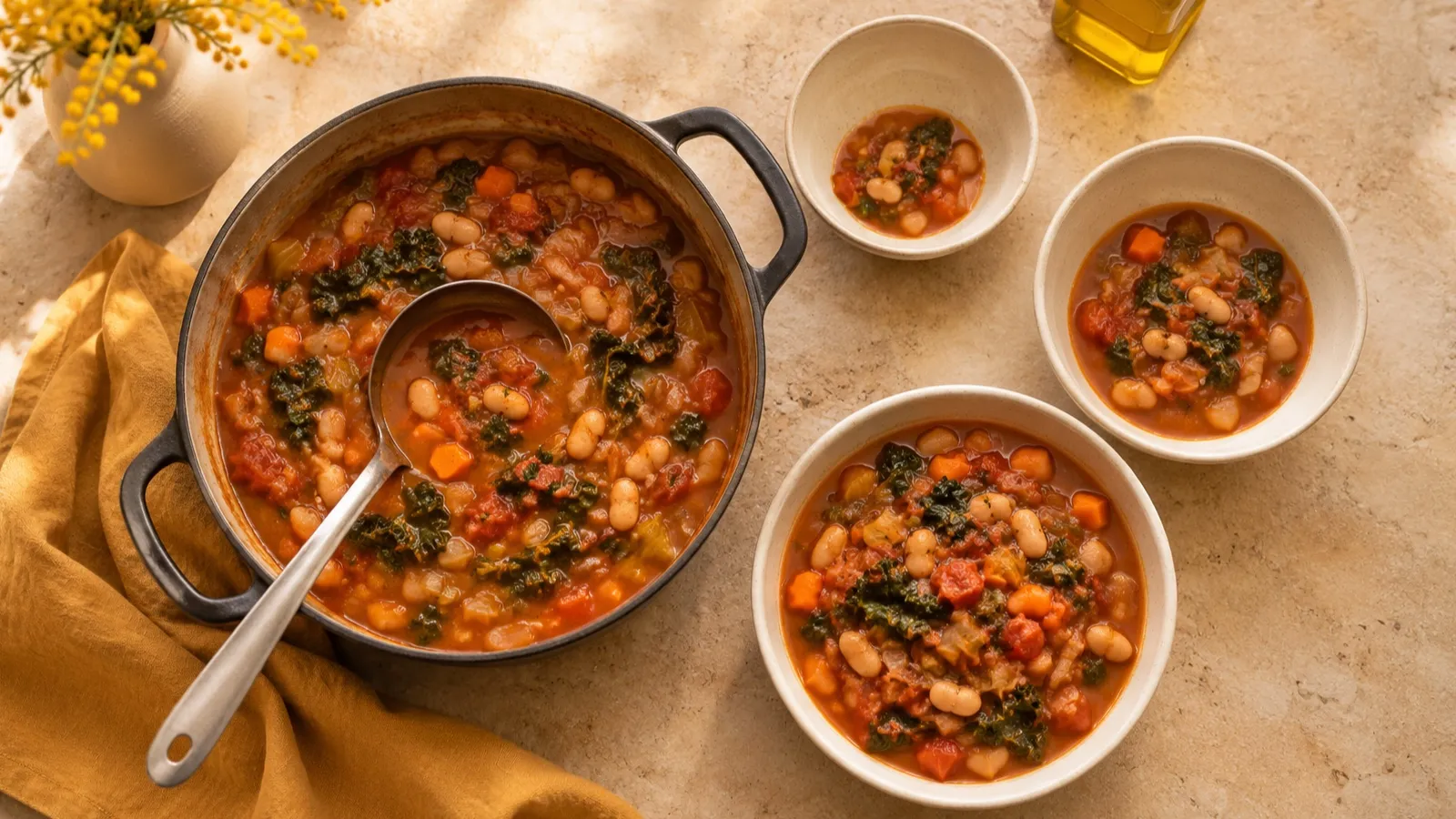
Your brother takes the deep bowl. You take the shallow one, the one that fits under the coffee cups when you put the dishes away. Halfway through dinner, he goes back for another ladleful. You’re still working through the bread you dipped in yours.
Later, you open your food diary. The recipe says it serves four. The diary asks how many servings you had.
You can count four people at the table. You can count four bowls in the sink. There’s still stew in the pot. By the recipe’s logic, someone should be eating a fifth dinner.
This is where a perfectly reasonable phrase, “serves four,” starts doing a job it was never written for. It helped you decide whether to double the recipe before you went shopping. Now you’re asking it how much stew ended up in one particular bowl.
If you cooked the meal yourself, there’s a number you can write down next time that makes the second question easier.
Weigh the stew while it’s still all in one place
The easiest time to do this is after the stew has finished cooking and before anyone serves themselves. You need the weight of the finished food, without the pot.
If the pot is light enough for your scale, weigh it empty before you cook. Once the stew is done, weigh the pot again and subtract the empty weight. If your Dutch oven is already most of what the scale can handle, use a lighter bowl. Put the empty bowl on the scale, zero it and transfer the stew. If it takes two trips, add the two weights.
Suppose the finished batch weighs 1,200 grams. You put your empty dinner bowl on the scale, zero it and add stew. The bowl holds 300 grams of food. That’s a quarter of the finished batch by weight.
Say you’d already added up the ingredients and estimated the whole recipe at 1,600 calories. A quarter of that is about 400. If you’re also tracking protein and the recipe adds up to 96 grams, the same fraction gives you about 24 grams for the bowl. Those are example numbers. Use the ingredients and amounts from the batch you actually cooked.
The calculation takes about as long as finding the calculator on your phone. The easy part to forget is the finished batch weight. Once four people have served themselves, there’s no quick way to put the original pot back on the scale.
The second pot won’t always weigh the same
Imagine making the stew again the following Sunday. Same vegetables. Same beans. You get distracted while setting the table and leave the lid off for longer. By the time you serve it, the stew is thicker.
That matters if you saved a per-gram figure last week and plan to reuse it. In a simplified example where the only difference is water evaporation, a 1,600-calorie batch that finishes at 1,000 grams gives you a different estimate for a 300-gram bowl. This time the bowl accounts for 30 percent of the recipe, or about 480 calories. Last week’s 1,200-gram batch gave you about 400 for the same bowl weight.
The difference doesn’t mean you accidentally added another ingredient. The same ingredients ended up in a smaller finished batch. That’s why it helps to write the cooked weight next to the saved recipe for the batch you’re dividing, especially when the consistency changes noticeably. Cooked yield is also a standard consideration in recipe nutrient calculations. fao.org
Look at what came up in the ladle
There’s one thing the kitchen scale can’t settle by itself.
Picture serving chicken soup. The first ladle catches mostly broth. The next one comes up with a whole thigh and a few carrots. You could make both bowls weigh the same without making them similar meals.
The weight method works best when a scoop is reasonably representative of what’s in the pot. A well-stirred lentil stew is a better candidate than soup with several large pieces of chicken. With the soup, you might put a piece of chicken in each bowl first and then add the broth and vegetables. If you record the chicken separately, leave it out of the batch calculation for the rest of the soup so it’s counted once.
For the stew, stir before serving and use the batch average as an estimate. If you can see that your bowl ended up mostly potatoes because it was the last scoop, you’ve learned something useful about how much faith to put in the number. You can keep the estimate and get on with dinner.
What if everyone has already eaten?
On the night with the deep bowl and the shallow bowl, you may only think of the scale when you’re putting the leftovers away. By then, two people have gone home and someone has made a point of washing the pot while you were looking for the lid.
You can still use the recipe’s serving count as a rough starting point. If you know your bowl was clearly smaller than the intended serving, adjust it accordingly. If you only remember that it was a small bowl of stew, that’s a reasonable description to leave in the diary. You caught the detail you actually remember.
Tomorrow is where a note on the container helps. If you did weigh the batch before dinner, mark how much stew went into the leftover box. Now you can reuse the recipe and log lunch without trying to remember how many ladles fit in the shallow bowl.
You don’t need to weigh everybody’s dinner. Write down the batch weight once. Weigh your bowl if knowing the portion is useful to you. Put both numbers in the same note so you can still find them when you’ve forgotten what you cooked on Sunday.
If you want to try this with the ingredient quantities already written out, pick something from PixNutri’s recipe collection. When you cook it, add one line to the recipe before the first bowl gets filled: the weight of the finished batch. That’s the line you’ll be glad to have when you go back for leftovers.
The useful result is not a perfectly equal dinner. It is a recipe note that still makes sense after the bowls, ladles and appetites have made every portion look different.
Sources
Written by the PixNutri Editorial Team. PixNutri provides general information, not medical advice. Learn how we work: Methodology · Nutrition sources · Editorial policy
Spotted a factual error? Report it to our editorial team. We review every report and update the page if needed.
