
How Much Fiber Per Day? Targets and High Fiber Foods
Adults need at least 25 to 30 g of fiber per day, yet most eat far less. See the official targets, a table of high fiber foods and a 30 g day you can copy.
By PixNutri Editorial Team · Published April 30, 2026 · Last updated April 30, 2026 · 6 min read
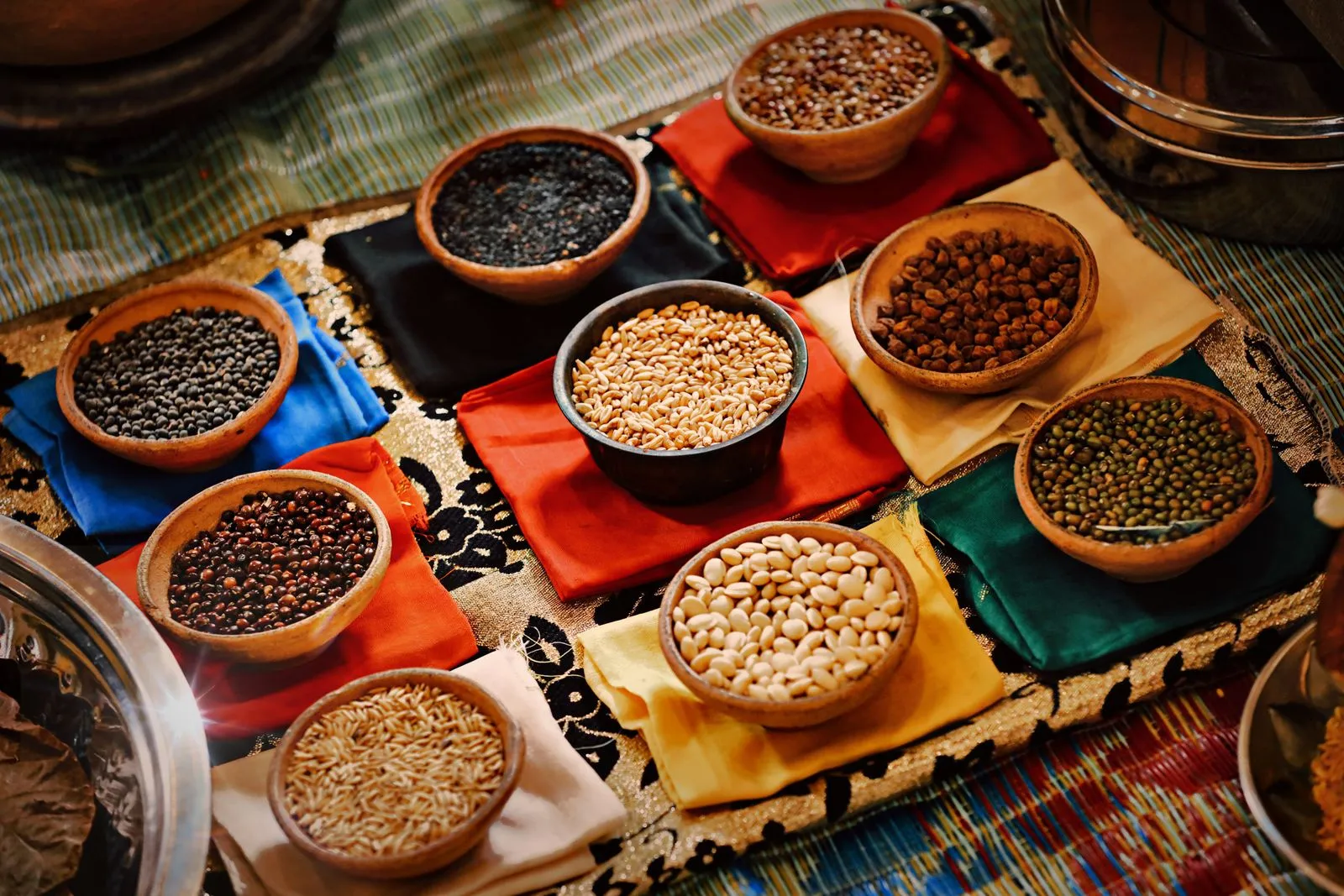
Most adults should aim for at least 25 to 30 g of fiber per day. The European Food Safety Authority considers 25 g a day adequate for normal bowel function, the WHO recommends at least 25 g of naturally occurring fiber, and the UK recommends 30 g. Yet most adults eat around 15 to 20 g, so for many people the goal is simply to add 10 g or more, mainly from legumes, whole grains, fruit, vegetables, nuts and seeds.
Here is how much fiber per day you need, why it matters, and which high fiber foods make it easy.
How much fiber per day: the official targets
| Organisation | Adults |
|---|---|
| EFSA (EU) | 25 g per day, adequate for normal bowel function |
| WHO | at least 25 g per day of naturally occurring fiber |
| NHS (UK) | 30 g per day |
| Harvard Nutrition Source (US) | at least 25 to 35 g per day |
For children the targets are lower. The NHS gives about 15 g a day for ages 2 to 5, 20 g for 5 to 11 and 25 g for 11 to 16.
How much do people actually eat? The NHS says most UK adults average about 20 g a day, and Harvard notes that most Americans get only about 15 g. So the typical gap is 10 to 15 g a day.
Why fiber matters
Fiber is the part of plant foods your body cannot fully digest. That is exactly why it is useful.
The largest analysis so far, published in The Lancet in 2019 (Reynolds and colleagues), pooled 185 prospective studies and 58 clinical trials. People who ate the most fiber had a 15 to 30% lower risk of dying from any cause and from cardiovascular disease, and of developing coronary heart disease, stroke, type 2 diabetes and colorectal cancer, compared with those who ate the least. The benefits were largest at about 25 to 29 g a day, and the data suggested that more could be even better. In the clinical trials, higher fiber intake went with lower body weight, blood pressure and total cholesterol.
Those observational links do not prove that fiber alone caused every benefit, but the authors graded the evidence for fiber as moderate and noted a clear dose-response pattern.
Soluble and insoluble fiber
Harvard describes two broad kinds:
- Soluble fiber dissolves in water and can help lower blood glucose and blood cholesterol. Good sources: oats, chia seeds, beans, lentils, apples and blueberries.
- Insoluble fiber helps food move through your digestive system and supports regularity. Good sources: wholewheat products and wheat bran, brown rice, legumes, leafy greens, nuts, seeds and fruit with edible skins.
You do not need to track the two types separately. Eat a mix of plant foods and you will get both.
Fiber and weight
Harvard notes that fiber helps keep hunger and blood sugar in check. The Lancet analysis found lower body weight with higher fiber intakes in trials. Fiber is not a weight-loss tool on its own, but it pairs well with a sensible calorie target. For more filling foods, see our guide to the best foods for weight loss.
High fiber foods: a practical table
Values per typical portion, calculated from USDA FoodData Central. Labels and databases can differ slightly because fiber is measured in different ways.
| Food | Portion | Fiber |
|---|---|---|
| Black beans, cooked | 150 g | about 13 g |
| Lentils, cooked | 150 g | about 12 g |
| Chickpeas, cooked | 150 g | about 11 g |
| Kidney beans, cooked | 150 g | about 11 g |
| Avocado | 100 g (about half) | about 7 g |
| Raspberries | 100 g | about 6.5 g |
| Wholewheat pasta, cooked | 150 g | about 6 g |
| Pear, with skin | 1 pear (170 g) | about 5 g |
| Broccoli, cooked | 150 g | about 5 g |
| Baked potato with skin | 200 g | about 4.4 g |
| Apple, with skin | 1 apple (180 g) | about 4 g |
| Oats, dry | 40 g | about 4 g |
| Almonds | 30 g | about 4 g |
| Chia seeds | 10 g | about 3.4 g |
| Wholemeal bread | 1 slice (40 g) | about 2.4 g |
| Brown rice, cooked | 150 g | about 2.4 g |
A quick rule from the NHS for packaged food: foods with 6 g of fiber or more per 100 g count as high fiber. Our guide on how to read nutrition labels explains the rest of the label.
What a 30 g fiber day looks like
This example uses the values above and reaches about 33 g:
- Breakfast: porridge with 40 g oats and 100 g raspberries → about 10.5 g
- Lunch: salad with 100 g cooked chickpeas → about 7.6 g
- Snack: 1 apple (about 180 g) with the skin on → about 4.3 g
- Dinner: 150 g wholewheat pasta with 150 g broccoli → about 10.8 g
- Total: about 33 g
Nothing here is unusual. The main moves are choosing wholegrain versions, keeping skins on, and adding a portion of legumes most days. The NHS gives a similar example: two slices of wholemeal toast with peanut butter and an orange at breakfast provide around 8.3 g.
How to eat more fiber without discomfort
A sudden jump in fiber can cause bloating and cramping. Harvard advises increasing fiber gradually and drinking more fluids as you do. In practice:
- Add one change every few days. For example, switch to wholemeal bread this week and add beans to one meal next week.
- Drink enough. More fluids help reduce the side effects of extra fiber. Our guide on how much water to drink a day has simple targets.
- Start with smaller portions of legumes. 2 to 3 tablespoons of beans or lentils is a gentle start.
- Keep the skins on potatoes, apples and pears where you can.
- Swap, do not just add. White rice to brown rice, white bread to wholemeal, crisps to a handful of nuts.
- Prefer whole foods over fiber supplements. The WHO target refers to fiber naturally present in foods, and that is also what the Lancet analysis studied.
A note of care: if you have a digestive condition such as irritable bowel syndrome or inflammatory bowel disease, or if you have had bowel surgery, some high-fiber foods may not suit you. Harvard notes that people with IBS can be sensitive to certain fibers. A doctor or registered dietitian can help you find the right approach. See a doctor too if you notice a lasting change in your bowel habits.
Tracking your fiber
Fiber is one of the easiest nutrients to overlook because most apps and labels put calories first. A few days of logging will tell you whether you are closer to 15 g or to 30 g. PixNutri estimates fiber together with calories, protein, carbs, fat and sugar for each meal you photograph, scan or describe; the estimate depends on what the camera can see, so check it and adjust the portion if needed.
FAQ
How much fiber should I eat per day?
Adults should aim for at least 25 to 30 g a day. EFSA and the WHO set 25 g as a baseline, and the UK recommends 30 g.
Can you eat too much fiber?
Raising fiber quickly can cause gas, bloating or cramps. Increase it gradually and drink more fluids. If you have a digestive condition, ask your doctor what suits you.
What foods are highest in fiber?
Legumes such as beans, lentils and chickpeas, wholegrains such as oats and wholewheat pasta, berries, pears, avocado, nuts and seeds such as chia.
How can I get 30 g of fiber a day?
Combine oats with berries at breakfast, a portion of legumes at lunch, a piece of fruit with the skin on as a snack, and wholegrains with vegetables at dinner.
Does fiber help with weight loss?
It can help. In clinical trials, higher fiber intake was linked to lower body weight, and fiber helps keep hunger in check. It works best alongside an appropriate calorie intake.
Sources
- EFSA. EFSA sets European dietary reference values for nutrient intakes (carbohydrates, fibre, fats), 2010
- World Health Organization. Healthy diet (fact sheet)
- NHS. How to get more fibre into your diet
- Harvard T.H. Chan School of Public Health, The Nutrition Source. Fiber
- Reynolds A et al. Carbohydrate quality and human health: a series of systematic reviews and meta-analyses. Lancet, 2019
- USDA FoodData Central (SR Legacy food composition data)
Written by the PixNutri Editorial Team. PixNutri provides general information, not medical advice. Learn how we work: Methodology · Nutrition sources · Editorial policy
Spotted a factual error? Report it to our editorial team. We review every report and update the page if needed.
