
How Much Water Should I Drink a Day? What the Evidence Says
How much water to drink a day: about 2.0 L total for women and 2.5 L for men (EFSA), food included. See how to adjust for weight, heat and exercise.
By PixNutri Editorial Team · Published July 13, 2026 · Last updated July 13, 2026 · 7 min read
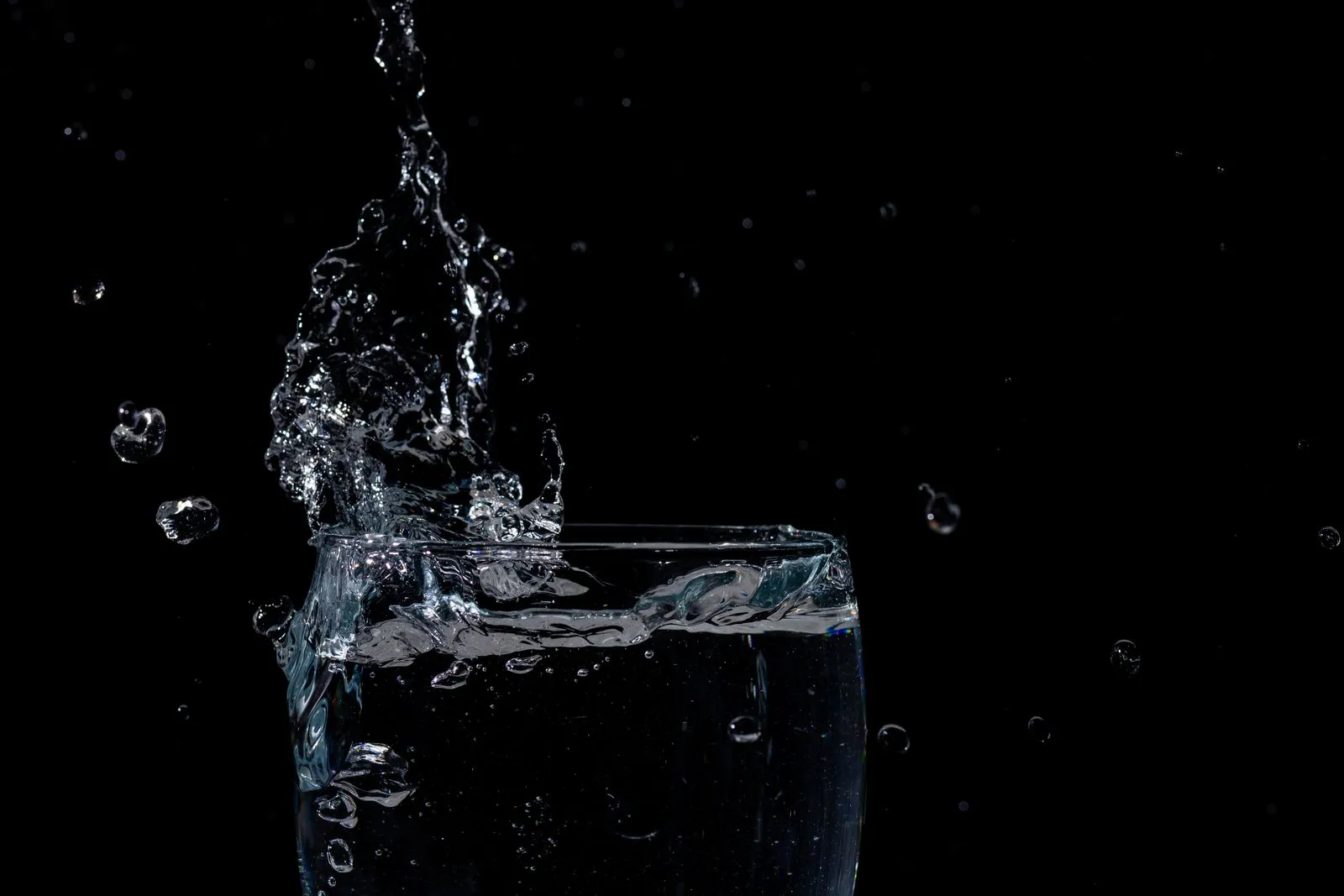
Most healthy adults need about 2.0 litres of water a day in total if they are women and about 2.5 litres if they are men, according to the European Food Safety Authority (EFSA). That total includes water from food, which covers roughly 20%, so in practice it means about 1.6 to 2 litres from drinks: around 6 to 8 glasses, which matches the NHS advice. You need more in hot weather, when you exercise, and when pregnant or breastfeeding.
So the honest answer to “how much water should I drink a day” is a range, not a magic number. The rest of this guide shows where the numbers come from, how to adjust them for your body and your day, and how to tell whether you are getting enough.
How much water should you drink a day? The official numbers
Different expert bodies have looked at the same question and landed in a similar place. Their figures are for total water, meaning drinks plus the water in food.
| Source | Women | Men | Notes |
|---|---|---|---|
| EFSA (Europe) | 2.0 L | 2.5 L | Adequate intake, moderate climate and activity |
| National Academies (US/Canada) | 2.7 L | 3.7 L | Average intake of well-hydrated adults |
| NHS (UK) | 6 to 8 cups or glasses of fluid a day | Drinks only; more when hot, active or ill |
Why do the US numbers look higher? The National Academies based theirs on what adequately hydrated Americans actually consumed, and they stress that the values cover the needs of healthy, sedentary people in temperate climates. They also say that most healthy people meet their needs by letting thirst guide them. Harvard’s Nutrition Source translates the US figures into roughly 9 cups of fluids a day for women and 13 cups for men, and adds that these amounts are a general guide, not a daily target.
How much of that comes from food?
About 20% of the water you take in comes from food, according to both the National Academies and Harvard. Water-rich foods such as lettuce and leafy greens, cucumber, peppers, courgette, celery, berries and melon contribute most. That is why the drinks part of your target is smaller than the headline number.
Does coffee or tea count?
Yes. The National Academies concluded that caffeinated drinks can count towards your daily water intake just like non-caffeinated ones, and that any diuretic effect appears to be short-lived. The NHS also counts water, lower-fat milk and sugar-free drinks, including tea and coffee, towards your daily fluid intake. Harvard notes that more than about 180 mg of caffeine a day (about two cups of brewed coffee) may increase urination in the short term in some people, but will not necessarily lead to dehydration.
A quick way to estimate your own amount
Body size matters, so a weight-based rule of thumb can be more useful than one number for everyone. The German Nutrition Society (DGE) lists reference values that work out to about 35 ml of total water per kg of body weight for adults aged 19 to 50, and about 30 ml per kg from age 51.
Worked example
Take a woman who weighs 70 kg and is 35 years old:
- Total water: 70 kg × 35 ml = 2,450 ml, or about 2.5 L
- About 20% comes from food: 2,450 × 0.2 = 490 ml
- From drinks: 2,450 − 490 = 1,960 ml, or roughly 8 glasses of 250 ml
Using EFSA’s flat figure for women instead: 2.0 L total, minus 20% from food, leaves 1.6 L from drinks, about 6 to 7 glasses. Both land inside the NHS range of 6 to 8 glasses. Pick the lower end on cool, quiet days and the upper end when you are active.
In PixNutri, the water goal starts from your body weight (about 33 ml per kg, a little more if you are active), and you can log each glass or bottle in a tap. If you connect Apple Health or Health Connect, water you log can be saved there too.
When you need more water
EFSA’s reference values assume a moderate climate and moderate activity. You need more when:
- It is hot or you sweat a lot. EFSA notes that under extreme heat and exercise, water losses can reach up to about 8 litres a day, and they need replacing. The National Academies mention that very active people in hot weather often need 6 litres or more of total water.
- You exercise for a long time. Replace the fluid you lose, and in long, sweaty sessions replace salts as well as water, as EFSA advises.
- You are pregnant. EFSA suggests about 300 ml a day more than the usual adequate intake.
- You are breastfeeding. EFSA suggests about 700 ml a day more.
- You are ill, especially with fever, vomiting or diarrhoea. The NHS advises drinking extra fluids when you are unwell.
Older adults deserve special attention. EFSA keeps the same adequate intake for older people as for younger adults, because the kidneys become less able to concentrate urine with age. The NHS lists older adults among those with a higher risk of dehydration.
How to tell if you are drinking enough
You do not need to count every sip. The NHS gives a simple check: drink enough during the day so that your pee is a clear, pale yellow.
Signs of dehydration listed by the NHS include:
- feeling thirsty
- dark yellow, strong-smelling pee, or peeing less often than usual
- headache, dizziness or feeling light-headed
- feeling tired
- a dry mouth, lips and tongue
If you have dark pee, feel dizzy when you stand up and it does not pass, or you or your child have a fast heartbeat or fast breathing, the NHS advises getting medical help.
Can you drink too much water?
Yes, though it is rare in healthy people. EFSA explains that the kidneys can only excrete about 0.7 to 1.0 litres per hour. Drinking much more than that, quickly, can dilute the sodium in your blood (hyponatraemia). Harvard lists symptoms such as confusion, nausea, seizures and muscle spasms, and notes it is mostly seen during extreme heat stress or prolonged strenuous exercise, or in people whose kidneys do not work properly.
The practical lesson: spread drinks across the day and do not force down litres to hit a number. PixNutri shows a gentle warning if your logged water is far above a sensible amount.
If a doctor has given you a fluid limit, for example because of a heart or kidney condition, follow that advice rather than general targets.
Water and weight loss
Water has no calories, so it is the easiest swap in a calorie deficit. A 330 ml can of regular cola has about 145 kcal and about 34 g of sugar, based on USDA FoodData Central values. Replacing one can a day with water saves around 1,000 kcal a week. If sugary drinks are a habit for you, our guide to how much sugar per day explains the limits.
The NHS also suggests keeping fruit juice and smoothies to one small glass (150 ml) a day, drunk with a meal, because they are high in sugar.
Easy ways to drink enough
- Keep a glass or bottle in sight at your desk, in the car and by the bed.
- Drink with every meal. Three meals plus a glass mid-morning and mid-afternoon already gets you to about 5 glasses.
- Use tea, coffee and milk. They count.
- Flavour water naturally with lemon, cucumber or mint if plain water bores you.
- Drink more on active days. A long walk counts too; see how many steps a day to lose weight.
- Check your pee colour rather than a counter.
FAQ
Is 2 litres of water a day enough?
For most women, 2 litres of total water a day matches EFSA’s adequate intake, and food provides part of it. Men need a bit more, about 2.5 litres in total. You need more when it is hot or you are active.
Is 8 glasses of water a day a myth?
It is a rough guide rather than a rule. The NHS suggests 6 to 8 cups or glasses of fluid a day, and tea, coffee and milk count. Harvard notes that “8 glasses a day” may not suit every person.
How much water should I drink a day by body weight?
About 30 to 35 ml per kg of body weight for total water is a reasonable estimate for adults, based on the German Nutrition Society’s reference values. For a 70 kg adult that is about 2.1 to 2.5 litres, including water from food.
Does drinking more water help you lose weight?
Water itself does not burn fat. It helps mainly by replacing sugary drinks, juice and alcohol, which cuts calories from your day.
Should I drink water even if I am not thirsty?
For most healthy adults, thirst is a reliable guide, according to the National Academies. Drink more on hot or active days. The NHS says older adults should make sure they get plenty of fluids, because their risk of dehydration is higher.
Sources
- EFSA. Dietary Reference Values for nutrients: Summary report (water section)
- National Academies. Report sets dietary intake levels for water, salt, and potassium
- Harvard T.H. Chan School of Public Health, The Nutrition Source. Water
- NHS. Water, drinks and your health
- NHS. Dehydration
- Deutsche Gesellschaft für Ernährung (DGE). Referenzwerte: Wasser
Written by the PixNutri Editorial Team. PixNutri provides general information, not medical advice. Learn how we work: Methodology · Nutrition sources · Editorial policy
Spotted a factual error? Report it to our editorial team. We review every report and update the page if needed.
