
Yesterday's breakfast was almost right
Breakfast looks familiar enough to copy: oats, yogurt, berries, coffee. Yesterday's entry is one tap away. You copy it and only later remember that the...
By PixNutri Editorial Team · Published November 23, 2026 · Last updated November 23, 2026 · 5 min read
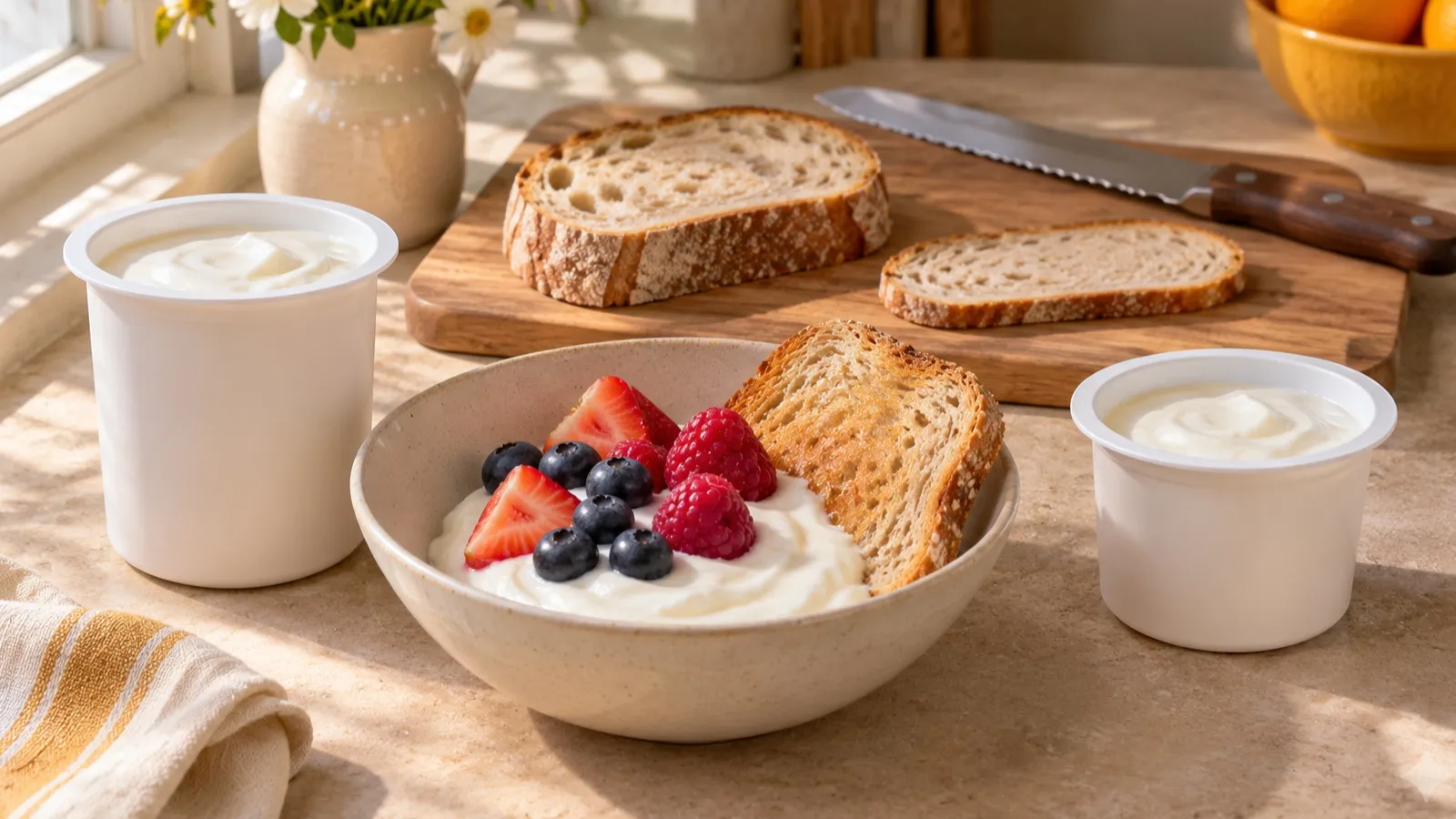
Breakfast looks familiar enough to copy: oats, yogurt, berries, coffee. Yesterday’s entry is one tap away. You copy it and only later remember that the yogurt tub was empty, so you used milk; the banana was larger; and the spoonful of peanut butter came from a new jar.
Copying a meal is useful because routines are real. It becomes misleading when the convenience hides the small changes that make today a different meal.
Copy the structure, then inspect the variables
Treat yesterday’s entry as a checklist, not a photograph. Move through each component and ask whether the product, amount, or preparation changed. Keep the parts that truly repeated and edit the rest.
For a simple breakfast, the review can take seconds: same oats? same liquid? same fruit? same topping? same drink? The repeated structure saves time, while the questions protect the differences.
Do not re-search foods that stayed the same. The benefit of copying is consistency. Focus your attention where the kitchen evidence changed: a different package, a different scoop, or an ingredient substituted because something ran out.
Product changes can hide behind the same food name
Two yogurts can look interchangeable in a bowl while having different serving sizes and nutrition. A new flavour, fat level, sweetener, or brand can change the label. If the packaging changed, scan or read the new one instead of keeping yesterday’s product by habit.
The same applies to bread, cereal, milk alternatives, and spreads. “Peanut butter” describes a category. Your diary entry may describe a specific jar. Check that the product name still matches what is on the counter.
You do not need to treat every redesigned label as a new food. Compare the nutrition and serving basis. If the product is unchanged, keep the existing entry. If values or formulation changed, update the reference and note when the switch happened.
Familiar utensils can drift
Your usual spoonful is not a fixed unit. A rounded spoon from a soft new jar can hold more than a scraped spoon from the bottom of an old one. A mug filled to a different line changes the milk in coffee. A handful of berries changes with berry size.
Weigh the variable ingredient occasionally, especially when a new package changes how you serve it. Put the jar on the scale before and after taking peanut butter, or weigh the bowl before and after adding oats. The result refreshes your personal reference without requiring permanent measurement.
If the difference is visibly small, edit approximately. The purpose is to keep the copied meal honest, not to punish routine with extra work.
Preparation is part of the breakfast
Oats cooked with water are not the same entry as oats cooked with milk if the liquid is consumed. Coffee with a splash of milk differs from a latte. An egg fried with oil differs from one boiled in water. The ingredient list may look nearly identical until you ask how the food was prepared.
When copying, scan for cooking fats, sweeteners, and additions that are easy to forget because they are not the main food. Did you grease the pan today? Add honey? Finish the last of the granola over the bowl? Those are the details most likely to fall outside a familiar meal name.
If a recipe itself changed, create a new version rather than quietly editing the old batch. That keeps previous entries connected to what you actually made then.
Build a breakfast template with flexible fields
A useful saved breakfast can separate fixed and variable parts. Keep your standard oat amount and coffee if they rarely change. Leave fruit, yogurt, and topping as items you confirm each morning. Name the template accordingly: “weekday oats: check fruit and topping.”
The name becomes a prompt. It prevents the saved meal from claiming more certainty than it deserves and tells you exactly where to look. You can create different templates for genuinely different routines, such as workday breakfast and weekend breakfast.
This approach also makes patterns easier to review. You see that the base meal repeated while the fruit changed, rather than producing a collection of unrelated entries or a falsely identical week.
Use yesterday when memory is all you have
Sometimes you remember breakfast at the end of the day. Yesterday’s entry is valuable evidence. Start with it, then recall what was different. Look at the empty package, the dish rack, a grocery receipt, or a photo. These clues can confirm the substitution without requiring perfect memory.
If you cannot remember whether the banana was larger or the milk splash was different, keep yesterday’s amount as an estimate. Routine is a reasonable prior when no contradictory evidence exists. Mark the uncertainty mentally or in a note rather than fabricating a new precise figure.
The standard should be useful consistency, not impossible certainty.
A thirty-second copy check
After tapping copy, read the entry once from top to bottom. Delete what you did not have. Add what was new. Open the label for anything whose package changed. Adjust the amounts that were visibly different.
PixNutri’s food logging guide can help you build reusable entries without losing sight of portions. Yesterday’s breakfast can do most of today’s paperwork. It just should not get the final word until you look at today’s bowl.
Weekends can make copied time misleading too. Eating the same foods at noon rather than early morning does not change their nutrition, but it may matter if you use the diary to understand hunger, routines, or medication timing. Keep the food template while changing the timestamp when the context changed.
Shared breakfasts need another check. Yesterday you may have made oats for one; today the pot served two. Copy the recipe only if you also adjust your share of the finished batch. A familiar ingredient list does not guarantee a familiar portion.
The copied entry is strongest when it saves stable facts (the exact cereal product or recipe) while prompting you to re-enter unstable facts such as fruit size, toppings, and serving share.
Drinks are often the quiet exception. Yesterday’s black coffee may become coffee with milk; yesterday’s water may become juice. Because the mug sits beside the bowl, it can feel like part of the scene rather than a separate item. Include beverage and additions in the copy check.
If you accidentally copied the meal for several days before noticing a product change, correct the days you can support with evidence. Do not manufacture exact transition dates. A package receipt or grocery order may show when the new product entered the house; otherwise, add a note and use the correct item going forward.
Written by the PixNutri Editorial Team. PixNutri provides general information, not medical advice. Learn how we work: Methodology · Nutrition sources · Editorial policy
Spotted a factual error? Report it to our editorial team. We review every report and update the page if needed.
