
Nutrition in 17 Languages: Why It Actually Matters
Food is personal, cultural, and emotional. When nutrition guidance arrives in the language you think in, healthy choices feel natural, not like homework.
By PixNutri Editorial Team · Published April 8, 2026 · Last updated September 25, 2026 · 5 min read
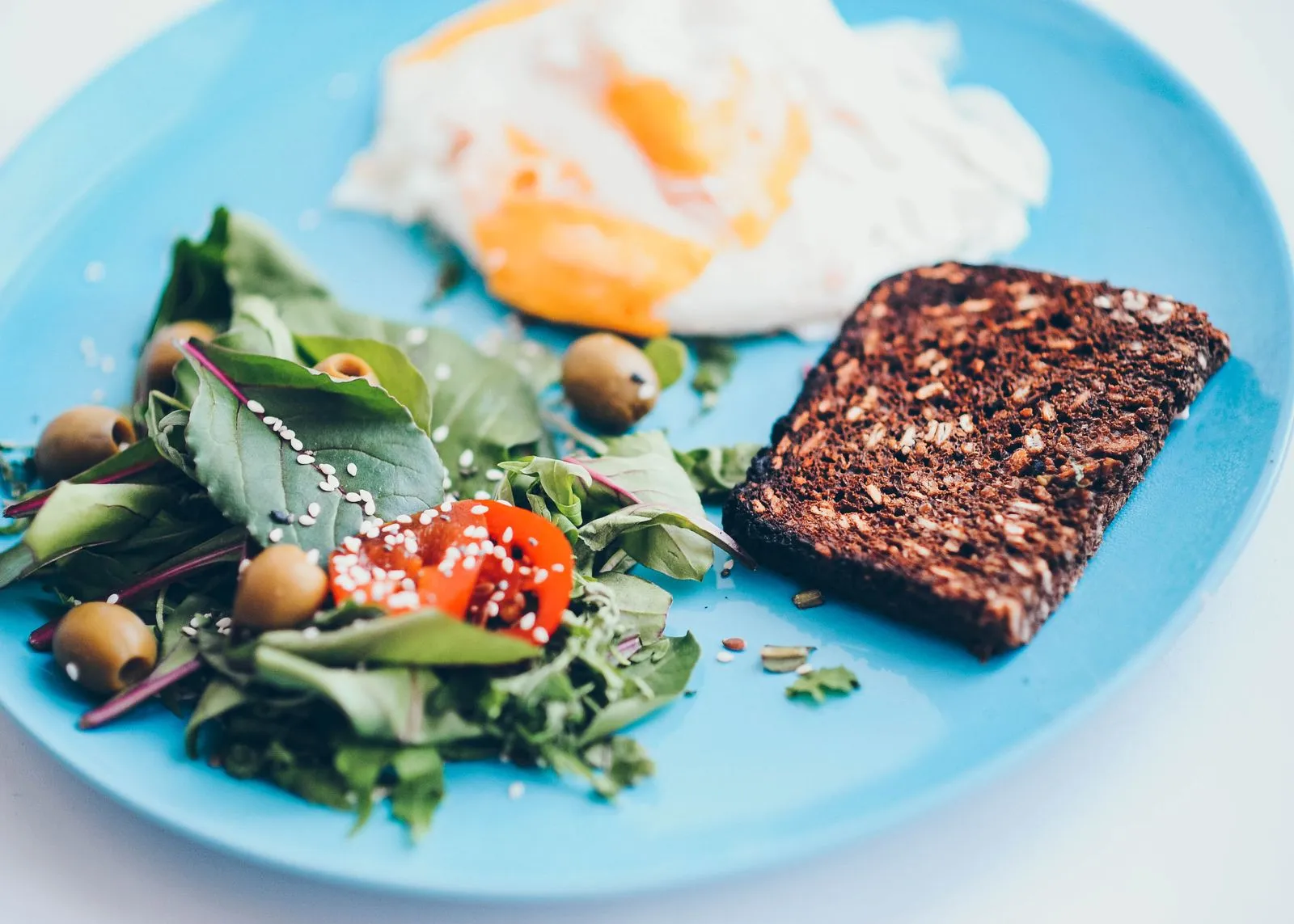
Food is never just numbers on a label. It is memory, culture, comfort, and routine. Most of the time, it is also expressed in the language you grew up speaking.
That is why nutrition in your language is not a small feature. It is a quiet shift in how people understand what they eat, and how supported they feel while doing it.
The hidden friction of translation
Many of us know the awkward moment. You are in a grocery aisle, or reading a menu while traveling, and the information is technically there. It just does not land.
The words feel distant. Portions feel abstract. Even good advice can sound cold when it is not phrased the way your mind naturally processes food.
When guidance comes in a familiar voice, using the vocabulary you use at home and the tone you trust, nutrition stops feeling like a test you can fail. It becomes a conversation you can join.
Why language shapes decisions
Understanding drives action. When people truly comprehend what they are reading, they are more likely to use it, especially in real life moments like busy mornings, travel days, or family dinners.
Clear language reduces mental load. It helps you compare options faster, spot patterns more easily, and build habits that actually stick.
In multilingual households, the benefit goes deeper. One person shops, another cooks, and kids might be the ones reading packaging.
When everyone can access the same clarity, food decisions become more collaborative and less tense.
Nutrition that respects culture
“Healthy eating” is not one universal plate. Traditional dishes carry meaning. Ingredients vary by region. Portion norms differ, and that is normal.
A thoughtful nutrition experience respects that reality. It offers insight in a way that fits your context, instead of forcing one cultural template onto every meal.
PixNutri is built around that principle. It helps you see what is on your plate with calm, editable estimates, so you can align your choices with your goals and your table.
Practical ways to use multilingual nutrition
Start small. Pick one meal a day to scan when you are curious, not when you are rushed.
Pay attention to how the explanations feel when they match the language you think in. That ease matters more than most people expect.
Over time, you build intuition. You notice which swaps feel sustainable, which snacks satisfy without throwing you off, and which routines fit your real life.
If you travel, or live between places, keep one simple habit. Pause before you eat, scan once, and read the highlights.
The goal is not perfection. The goal is continuity, a gentle thread of awareness that keeps you grounded.
The emotional payoff
Confidence is underrated. When you understand your food, you waste less energy in guilt loops and second-guessing.
You can enjoy meals more fully because you are not replaying every bite in your head. That shift, from confusion to clarity, is a big part of why multilingual nutrition matters in the first place.
From labels to real life: what “understanding” really means
Nutrition labels are designed to be accurate. But accuracy is not the same as meaning.
Meaning is what happens when information connects to your day. Your budget. Your cravings. Your cooking skills. Your family’s preferences.
A number without context can feel like noise. A sentence that sounds like you can use it can feel like direction.
That is why multilingual support is not only translation. It is tone, clarity, and respect.
It is helping you interpret a meal the way you would describe it to a friend: plainly, kindly, and without judgment.
The social side of eating
We rarely eat in isolation, even if we are physically alone. We eat with traditions, messages, and memories of what a “good meal” is supposed to look like.
Language touches all of that. When nutrition guidance honors your language, it also honors the social reality of food.
That includes celebrations, comfort dishes, and the meals you choose when you are tired.
The point is not to police culture. The point is to make room for better choices inside the life you already live, not a life you would need to build from scratch.
Building a gentle routine
If you are trying to eat better, the fastest way to burn out is to rely on willpower alone. Willpower is hard to sustain day after day. Simple systems make good choices easier to repeat.
A simple system looks like this. Scan when you are curious, notice one insight you can act on, and move on with your day.
Multilingual clarity makes that loop easier because you spend less time decoding and more time deciding.
Over weeks, small decisions compound. You might notice you feel better with certain breakfasts. You might realize your afternoon slump tracks with a specific habit.
You might also discover something freeing. “Healthy” for you is not a rigid rule. It is a set of patterns that fits your schedule.
For parents and caregivers
If you feed other people, language becomes even more important. Kids ask questions. Partners have preferences. Older relatives may rely on you to interpret packaging.
When everyone understands the same explanation, you spend less energy translating stress and more energy choosing what works.
Nutrition is teamwork in many homes. PixNutri aims to be a calm teammate, quick enough for busy nights, clear enough to share, and respectful enough to support many kinds of food on the table.
A note on kindness
Food can be sensitive. People carry different relationships with eating, and sometimes those relationships are complicated.
That is why we believe guidance should be steady and nonjudgmental. The goal is not shame. The goal is understanding, because understanding is where sustainable change begins.
Closing thought
Nutrition advice is only as powerful as your ability to use it. When it speaks your language, it stops being abstract and becomes a daily ally.
That is the future we believe in: calm, clear, culturally aware, and always within reach.
Written by the PixNutri Editorial Team. PixNutri provides general information, not medical advice. Learn how we work: Methodology · Nutrition sources · Editorial policy
Spotted a factual error? Report it to our editorial team. We review every report and update the page if needed.
