
How to Lose Weight with an AI Food Scanner: 7 Simple Steps That Actually Work
Stop guessing calories. Learn how snapping photos of your meals with PixNutri can lead to real, lasting weight loss.
By PixNutri Editorial Team · Published April 9, 2026 · Last updated April 9, 2026 · 2 min read
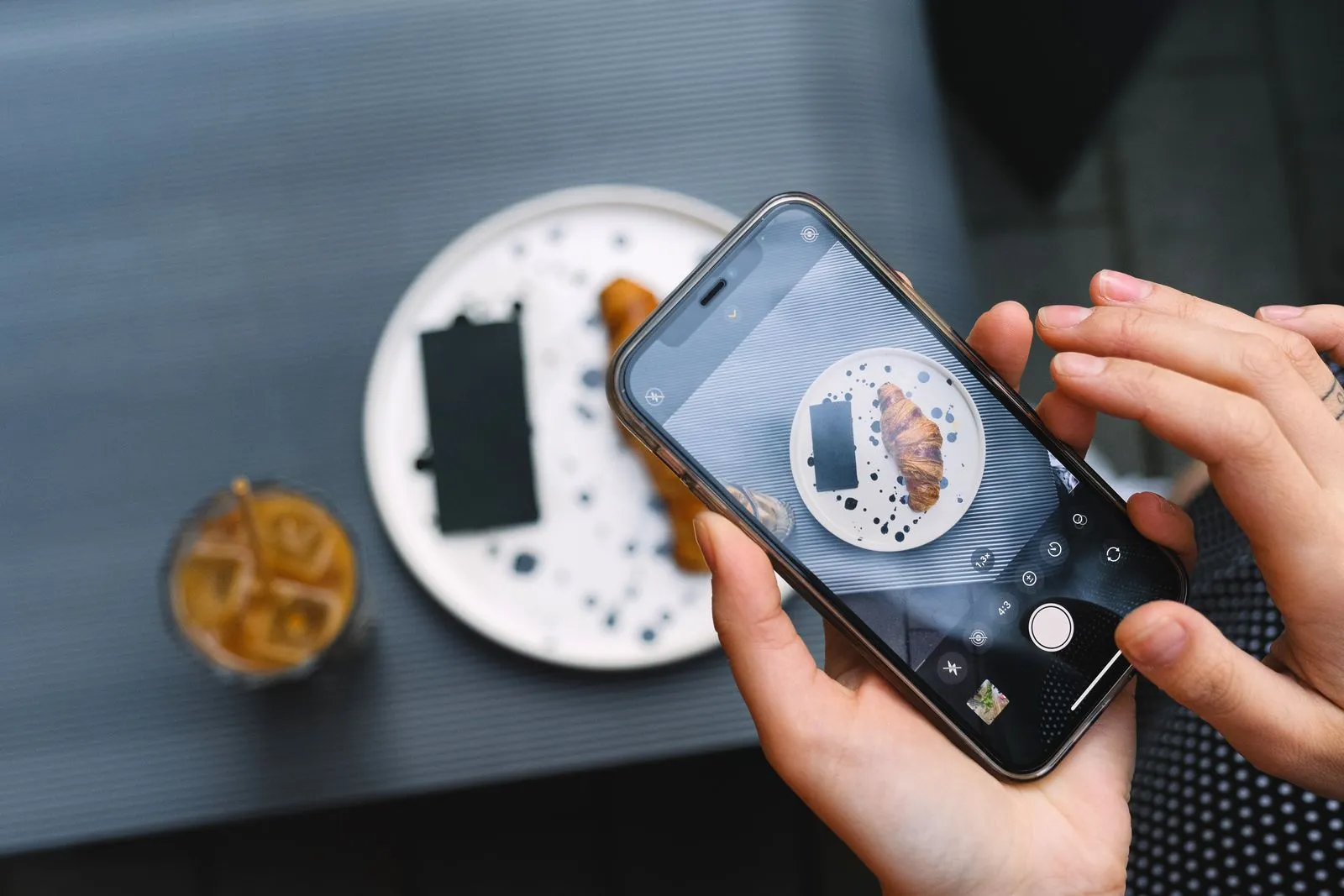
Most people struggle with weight loss for one simple reason.
They do not really know what they are eating.
An AI food scanner changes that by turning everyday meals into clear, actionable insights.
Here is a practical, low-stress way to use PixNutri, or any good AI nutrition app, to lose weight sustainably.
1) Start with awareness, not restriction
For the first 7 to 10 days, scan every meal and snack without changing anything.
Treat it like information gathering, not a test.
2) Understand your real portions
The app shows calories, protein, carbs, and fats.
You will quickly spot where small “it is probably fine” estimates were adding more than you realized.
Keep in mind that photo-based numbers are estimates. In an independent 2025 study, the best general-purpose AI models were off by about 36% on average for calories, and large portions were most often underestimated. So check the portion, change an ingredient amount when a serving looks bigger or smaller, and add oil or sauces the photo can’t see.
3) Focus on protein first
Use the nutrition breakdown to make sure each main meal has enough protein.
Adequate protein, combined with strength training, helps you keep muscle while you lose fat. The International Society of Sports Nutrition considers 1.4 to 2.0 g of protein per kg of body weight per day sufficient for most exercising people.
If you are not sure where to start, aim to add one protein anchor to each meal.
4) Make one smart swap per day
See a high-calorie item that does not feel worth it?
Swap one thing, not everything.
Small swaps compound faster than big overhauls.
5) Track patterns, not perfection
Do not obsess over a single meal or a single day.
Check your weekly summary and look for patterns.
Notice which days lead to energy crashes, overeating, or “snack storms,” and what happened before them.
6) Use multilingual explanations to make insights stick
When guidance comes in your native language, it lands better.
It becomes easier to remember, easier to share, and easier to apply when life is busy.
That clarity reduces stress, and less stress often means better choices.
7) Look beyond the scale
The scale moves up and down from day to day for reasons that have nothing to do with fat, such as water and food in your system.
Look at the weekly trend, and at other signs that matter to you, like how your clothes fit or how you feel during the day.
What pace to expect
US clinical guidelines from the National Heart, Lung, and Blood Institute associate a daily deficit of 500 to 1,000 kcal with losing about 1 to 2 lb (0.5 to 0.9 kg) per week. Your own pace will depend on your starting point, your deficit and how consistently you track. If you have a medical condition, plan weight loss with your doctor.
The “magic” is not perfection.
It is awareness.
PixNutri makes the process fast. One photo and you get the information you need to make a better decision.
If you want weight loss to feel simpler, download PixNutri and scan your next meal today.
Sources
- NHLBI. Clinical Guidelines on the Identification, Evaluation, and Treatment of Overweight and Obesity in Adults: Treatment Guidelines
- Jäger R, et al. International Society of Sports Nutrition Position Stand: protein and exercise. J Int Soc Sports Nutr. 2017;14:20
- Fridolfsson J, et al. Performance Evaluation of 3 Large Language Models for Nutritional Content Estimation from Food Images. Current Developments in Nutrition. 2025
Written by the PixNutri Editorial Team. PixNutri provides general information, not medical advice. Learn how we work: Methodology · Nutrition sources · Editorial policy
Spotted a factual error? Report it to our editorial team. We review every report and update the page if needed.
