
Meal Prep for Beginners: A Simple Plan for Your First Week
Meal prep for beginners made simple: cook 3 portions at once, store them safely and know your calories. With a shopping list, portion math and fridge rules.
By PixNutri Editorial Team · Published July 7, 2026 · Last updated July 7, 2026 · 7 min read
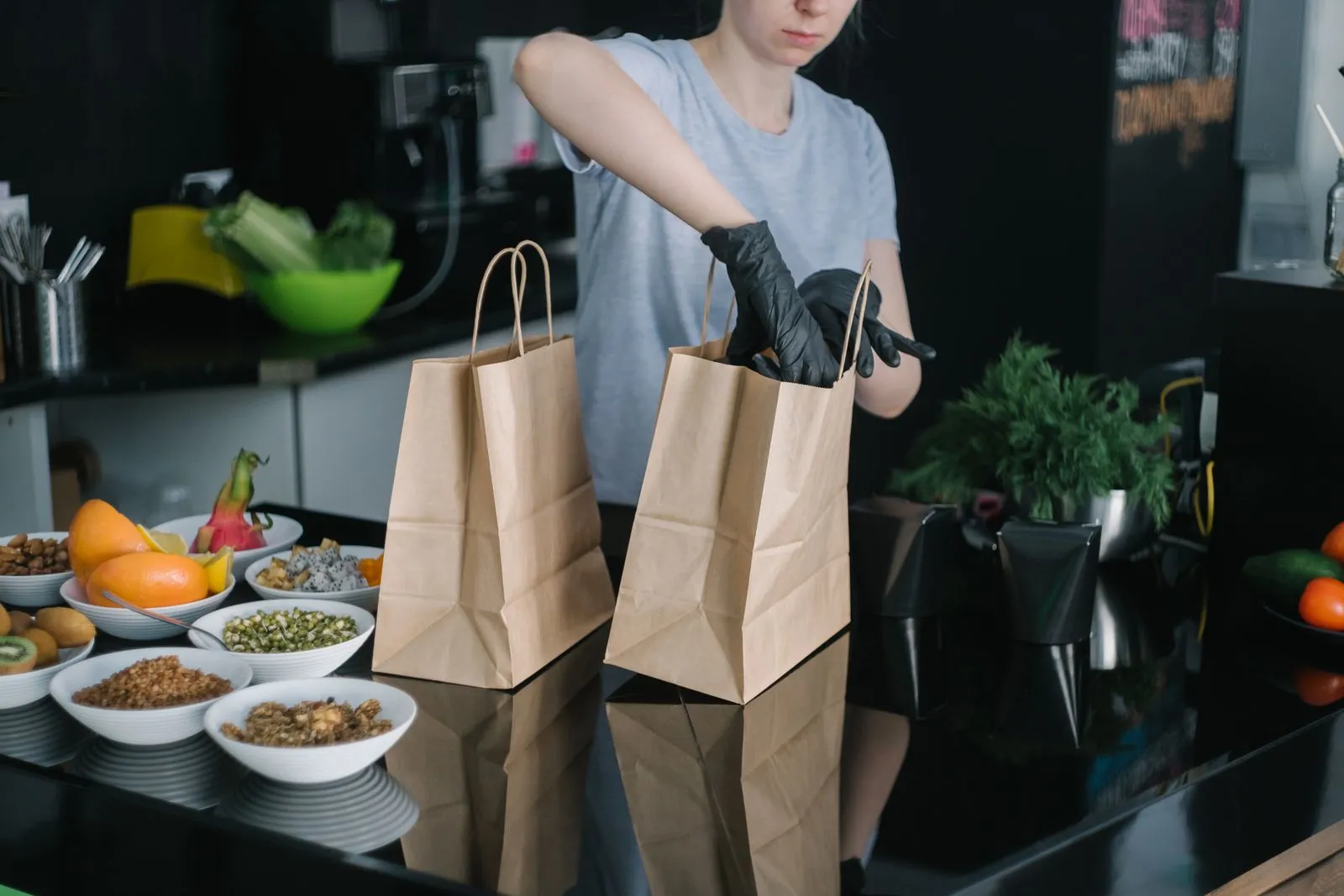
Meal prep for beginners works best when you start small: pick one meal you often skip or buy on the go (usually lunch), cook 3 portions of it on one day, and store them safely. Use a simple plate formula, write down the calories once, and freeze anything you won’t eat within 2 days. That’s it. You can build from there.
You don’t need special containers, a whole Sunday, or 21 identical boxes. This guide gives you a realistic first-week plan, a shopping list, portion math you can reuse, and the food safety rules that matter.
Why meal prep helps
Meal prep removes the daily decision at the moment you are hungry and short on time, which is when takeaway and snacking win.
The research is observational, so it can’t prove cause and effect, but it points the same way. In a French study of more than 40,000 adults, people who planned their meals ahead had better diet quality and more food variety, and women who planned had lower odds of overweight and obesity. A large US analysis found that adults who cooked dinner at home 6 to 7 times a week ate fewer calories, less fat and less sugar than those who cooked 0 to 1 times a week, whether or not they were trying to lose weight.
In short: planning and home cooking tend to go together with eating better. Meal prep is simply a way to make both easier.
Step 1: Choose one meal to prep
Beginners often try to prep every meal for the week, get bored by Wednesday, and quit. Start with one:
- Lunch is the easiest win for most people, because it is the meal most often bought.
- Breakfast works if mornings are rushed. Overnight oats or egg muffins keep well. See our high-protein breakfast ideas.
- Dinner suits you if you arrive home tired and end up ordering food.
Plan 3 portions for the first round. That is enough to feel the benefit without the food sitting in the fridge too long.
Step 2: Use a simple plate formula
The Healthy Eating Plate from Harvard’s Nutrition Source is an easy template for each box:
- Half vegetables and fruit (potatoes don’t count here).
- A quarter whole grains, such as brown rice, whole-wheat pasta, quinoa or oats.
- A quarter protein, such as fish, poultry, beans, lentils or tofu. Limit red meat and processed meats.
- A little healthy plant oil, like olive or rapeseed oil.
This keeps your boxes filling, balanced and high in fibre without counting every gram.
Step 3: Shop with a short list
For a first round of 3 lunch bowls, you need roughly:
- About 500 g raw chicken breast, which cooks down to roughly 360 g because meat loses about a quarter of its weight when roasted (or about 200 g dry lentils, which gives roughly 600 g cooked)
- 150 g dry brown rice (about 450 g cooked)
- 450 g broccoli (fresh or frozen)
- Olive oil, garlic, lemon, a spice mix you like
- Optional: a sauce you enjoy, measured rather than poured
Frozen vegetables are a great shortcut: already washed, already chopped, and they don’t wilt in the fridge.
Step 4: Cook in one session
A realistic first session takes about an hour:
- Start the rice (or another grain) first, since it takes longest.
- Roast or pan-cook the protein with oil and spices.
- Steam or roast the vegetables.
- Let everything cool, portion into containers, and label them with the date.
Cook the protein and grain in bulk, but vary the flavour with different sauces or spices so the week doesn’t feel repetitive.
Step 5: Store it safely
This part matters more than any recipe. The UK Food Standards Agency advises:
- Keep your fridge between 0 and 5 °C and your freezer at around -18 °C.
- Don’t put hot food straight into the fridge. Let cooked food cool and refrigerate it within 1 to 2 hours. Dividing it into smaller containers helps it cool faster.
- Eat leftovers within 2 days, or freeze them if you won’t manage that.
- Defrost in the fridge, and use food within 24 hours once fully defrosted.
- If you cook food that was frozen, you can freeze it again once cooked, but you should only reheat it once after that.
Guidance varies a little between countries, so if your local food agency says something different, follow the stricter rule. In practice, this gives a simple beginner pattern: cook on Sunday, keep Monday and Tuesday in the fridge, freeze the rest and move a box to the fridge the night before.
Know your numbers: portion math
Meal prep makes calorie tracking much easier, because you work out the numbers once and reuse them all week. Here is one lunch bowl, using USDA food composition data:
| Ingredient (cooked weight) | kcal | Protein |
|---|---|---|
| 120 g chicken breast, roasted | 198 | 37.2 g |
| 150 g brown rice | 185 | 4.1 g |
| 150 g broccoli, boiled | 53 | 3.6 g |
| 5 g olive oil (1 teaspoon) | 44 | 0 g |
| Total per bowl | about 480 | about 45 g |
The arithmetic: chicken 165 kcal per 100 g × 1.2 = 198; brown rice 123 × 1.5 = 184.5; broccoli 35 × 1.5 = 52.5; olive oil 884 × 0.05 = 44.2. The bowl also gives about 7 g of fibre.
A vegetarian swap with 200 g cooked lentils instead of chicken comes to about 513 kcal and 26 g of protein, with roughly 23 g of fibre.
For stews, soups and chilli
When everything is cooked together, use the “whole pot” method:
- Add up the calories of all raw ingredients.
- Weigh the finished dish (subtract the pot’s weight).
- Divide.
Example: the ingredients add up to 2,400 kcal and the cooked chilli weighs 2,000 g. That’s 1.2 kcal per gram, so a 400 g portion is 480 kcal.
If you log food in PixNutri, you can snap a photo of a prepared box and then review the estimate. AI photo estimates are estimates, so it’s worth correcting the values with your own recipe numbers, which you now know to the gram. If calorie goals are new to you, start with what a calorie deficit is and how much protein per day you need.
Common beginner mistakes
- Prepping too much. Food you don’t eat is money wasted. Start with 3 portions.
- Same flavour every day. Batch-cook the base, change the sauce.
- Skipping the label. Write the cooking date on every container.
- Leaving food out to cool for hours. Aim for the fridge within 1 to 2 hours.
- Forgetting snacks. If you always get hungry at 4 pm, prep a snack too, such as yogurt with fruit or a boiled egg.
Your first-week checklist
- Pick one meal to prep.
- Choose one protein, one grain, two vegetables.
- Shop on Saturday, cook on Sunday.
- Portion into 3 containers and date them.
- Fridge: Monday and Tuesday. Freezer: Wednesday onwards.
- Work out calories per portion once and reuse them.
- Review on the weekend: what did you enjoy, what did you skip?
Once one meal feels easy, add a second. For money-saving ideas that pair well with batch cooking, read healthy eating on a budget.
FAQ
How long does meal prep last in the fridge?
The UK Food Standards Agency advises eating leftovers within 2 days and freezing them if you won’t. Some agencies give slightly longer times, but a 2-day fridge window plus the freezer is a simple, safe rule for beginners.
Can you freeze meal prep?
Yes. Most cooked grains, stews, soups, cooked meat and roasted vegetables freeze well. Freeze in single portions, label with the date, and defrost in the fridge overnight.
Is meal prep good for weight loss?
It can help, because it makes portions consistent and reduces last-minute takeaway. Studies link meal planning and home cooking with better diet quality, but they are observational. Weight loss still depends on your overall calorie balance.
How many days should I meal prep for as a beginner?
Start with 3 portions of one meal. Eat two from the fridge and freeze one. Once that feels easy, add more meals or days.
Do I need to weigh everything?
Not forever. Weigh once when you cook a new recipe so you know the calories per portion, then reuse the numbers every time you make it.
Sources
- Food Standards Agency (GOV.UK). How to chill, freeze and defrost food safely
- Ducrot P, et al. Meal planning is associated with food variety, diet quality and body weight status in a large sample of French adults. Int J Behav Nutr Phys Act, 2017
- Wolfson JA, Bleich SN. Is cooking at home associated with better diet quality or weight-loss intention? Public Health Nutr, 2015
- Harvard T.H. Chan School of Public Health, The Nutrition Source. Healthy Eating Plate
- USDA FoodData Central (SR Legacy food composition data)
Written by the PixNutri Editorial Team. PixNutri provides general information, not medical advice. Learn how we work: Methodology · Nutrition sources · Editorial policy
Spotted a factual error? Report it to our editorial team. We review every report and update the page if needed.
