Healthy Eating on a Budget: 12 Tips That Actually Save Money
Healthy eating on a budget is possible: plan meals, buy frozen and tinned produce, lean on beans, lentils and oats, and cut food waste. Practical tips inside.
By PixNutri Editorial Team · Published July 5, 2026 · Last updated July 5, 2026 · 7 min read
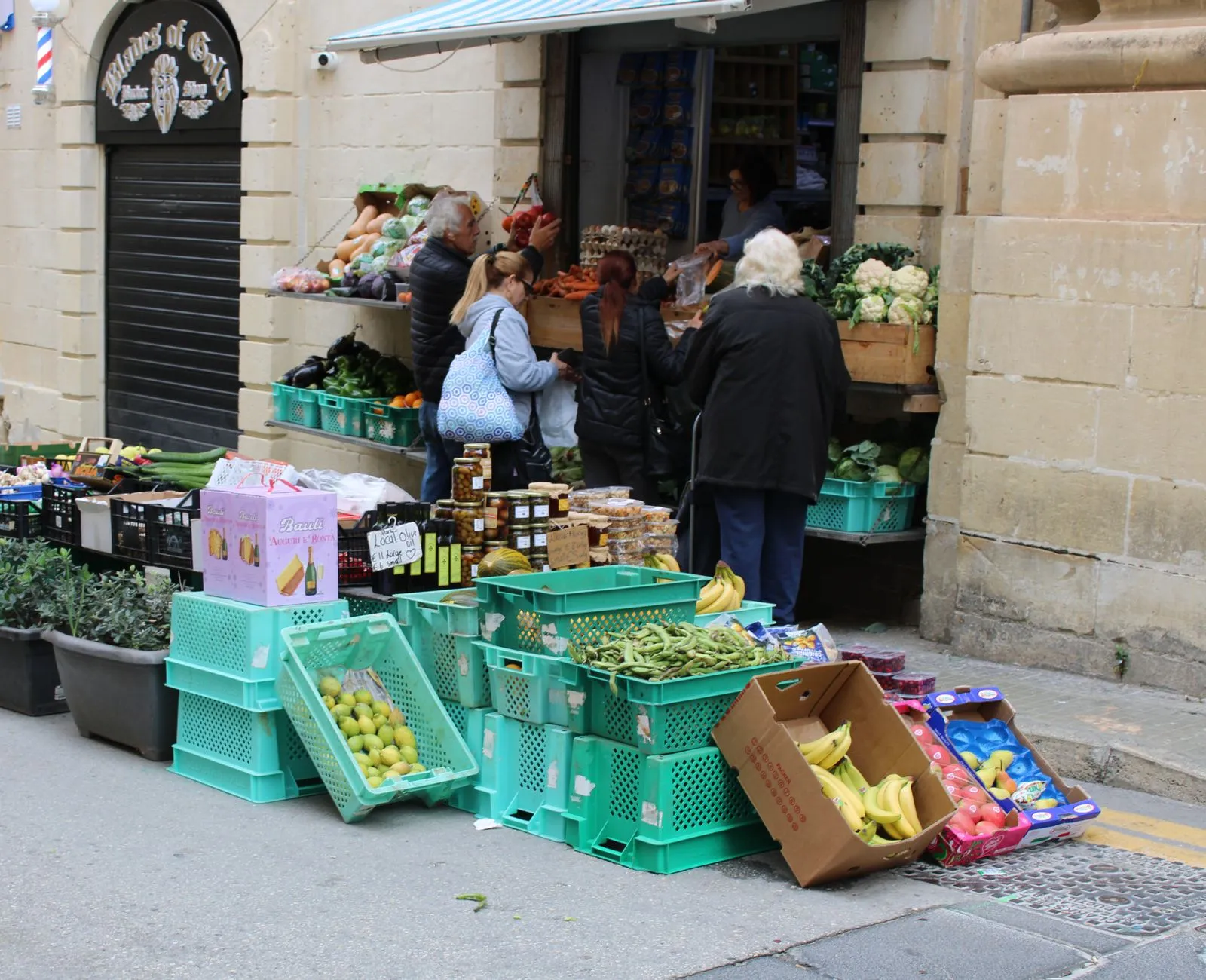
Healthy eating on a budget comes down to three habits: plan your meals before you shop, build them around low-cost nutritious staples (beans, lentils, oats, eggs, frozen and tinned vegetables, seasonal fruit), and waste less of what you buy. You don’t need superfoods or organic everything. The cheapest healthy foods are often the plainest ones.
Does healthy food really cost more?
Sometimes, but less than people think, and it depends on what you compare.
A meta-analysis of 27 studies from 10 countries found that the healthiest diet patterns cost about $1.50 more per person per day than the least healthy ones (in 2011 international dollars). The biggest price gap was in meat and other protein foods. For grains, dairy and fats, the differences per serving were small.
So the extra cost is real, but it’s concentrated in a few places. That’s good news, because it means a few smart swaps, especially in protein, close most of the gap.
12 practical tips
1. Plan meals before you shop
Write a rough plan for the week and a shopping list based on it. The British Heart Foundation notes that planning helps you eat a balanced diet and reduces waste, and it is estimated that a fifth to a quarter of the food people buy in the UK is thrown away. Planning also helps you prepare for busy days, so you don’t buy food you won’t have time to cook.
2. Waste less
Across the EU, Eurostat estimates about 130 kg of food waste per person in 2023, and households produced just over half of it: about 69 kg per person. Every portion you throw away is money in the bin. Freeze bread, turn leftover vegetables into soup, and check your fridge before you shop.
3. Buy frozen fruit and vegetables
Frozen produce is often cheaper, especially for berries, and you use only what you need. It’s not a nutritional compromise either. A two-year study comparing fresh, frozen and “fresh-stored” produce (kept 5 days in the fridge, as many of us do) found no significant differences in vitamin C, provitamin A and folate in most comparisons. Where there were differences, frozen beat fresh-stored more often than the reverse.
4. Use tinned produce, but read the label
Tinned fruit and vegetables count towards your 5 A Day. Choose fruit in juice or water, and vegetables and pulses with no added salt or sugar. “Value” ranges sometimes add both, so it’s worth checking. Our guide on how to read nutrition labels shows what to look for.
5. Make beans and lentils your main protein a few times a week
Plant proteins like beans, lentils and tofu are generally the cheapest way to get protein, and they’re lower in saturated fat than meat. They also bring fibre. Try half-meat, half-lentil bolognese or chilli: it stretches the meat and adds fibre.
6. Choose cheaper cuts and forms of animal protein
Eggs, tinned fish and frozen fish fillets are usually good value. Tinned salmon, sardines and mackerel are oily fish and need no cooking. Chicken pieces with bone and skin are cheaper than skinless fillets; remove the skin before cooking to cut saturated fat.
7. Start the day with oats
Porridge oats are cheaper than many breakfast cereals. Cook them with water or milk, or make overnight oats with fruit.
8. Go wholegrain where the price is the same
Wholegrain bread, pasta and rice don’t necessarily cost more than white, and they are more filling. Compare prices on your own shelf.
9. Compare unit prices, not pack prices
The shelf label usually shows the price per kg or per litre. That’s the number to compare. Example: a 500 g bag at 1.20 costs 2.40 per kg, while a 1 kg bag at 2.00 costs 2.00 per kg, about 17% cheaper. (Example prices, not real ones.) Big packs only save money if you’ll use them before they spoil, or if they freeze well.
10. Buy in season and watch for offers
Seasonal fruit and vegetables are usually cheaper and tastier than out-of-season ones, and special offers on fruit and veg are worth grabbing, as long as you’ll eat or freeze what you buy.
11. Cook in batches
Cooking a big pot once is cheaper than cooking small amounts several times, and it gives you ready meals for busy days. See meal prep for beginners for a simple first plan and safe storage rules.
12. Rethink snacks and drinks
Bananas, apples, carrots, plain yogurt, home-popped popcorn and peanuts are usually cheaper than packaged snacks. Tap water costs almost nothing.
Cheap staples, compared
This table uses USDA food composition data per 100 g. It shows why these foods are worth keeping in your cupboard and freezer:
| Food (per 100 g) | kcal | Protein | Fibre |
|---|---|---|---|
| Rolled oats, dry | 379 | 13.2 g | 10.1 g |
| Lentils, boiled | 116 | 9.0 g | 7.9 g |
| Red kidney beans, boiled | 127 | 8.7 g | 7.4 g |
| Chickpeas, boiled | 164 | 8.9 g | 7.6 g |
| Eggs, hard-boiled | 155 | 12.6 g | 0 g |
| Tuna, canned in water, drained | 86 | 19.4 g | 0 g |
| Green peas, frozen, boiled | 78 | 5.2 g | 4.5 g |
| Spinach, frozen, boiled | 34 | 4.0 g | 3.7 g |
| Carrots, raw | 41 | 0.9 g | 2.8 g |
| Cabbage, raw | 25 | 1.3 g | 2.5 g |
A portion of 80 g of beans or pulses also counts towards your 5 A Day, although the NHS counts pulses only once a day however much you eat.
A worked example: a budget lentil chilli
For 4 portions: 200 g dry lentils (about 600 g once cooked), 2 tins of chopped tomatoes, 1 tin of kidney beans, 1 onion, 2 carrots, a bag of frozen peppers, spices and 1 tablespoon of oil.
Using the cooked weights: 600 g lentils (696 kcal) plus about 240 g drained kidney beans (305 kcal; check the drained weight on your tin) gives about 1,000 kcal and 75 g of protein before you add vegetables and oil. Split four ways, that’s roughly 250 kcal, 19 g of protein and 16 g of fibre per portion from the pulses alone. Add the calories of the oil and vegetables you actually used to get your full number.
The arithmetic for the pulses: lentils 116 kcal × 6 = 696; kidney beans 127 × 2.4 = 304.8; protein 9.02 × 6 + 8.67 × 2.4 = 54.1 + 20.8 = 74.9 g; fibre 7.9 × 6 + 7.4 × 2.4 = 47.4 + 17.8 = 65.2 g, or about 16 g per portion.
If you track calories, cook it once, work out the numbers, and reuse them. In PixNutri you can also snap a photo of your bowl for an AI estimate and correct it with your own recipe numbers, which is handy when you’re eating the same batch for a few days.
Common budget traps
- Shopping hungry or without a list.
- “Healthy” branded snacks that cost several times more than fruit or yogurt.
- Multi-buy offers on foods you wouldn’t otherwise buy.
- Pre-cut produce when a knife and two minutes would do.
- Buying fresh berries or herbs that spoil before you use them. Frozen is often better value.
FAQ
What is the cheapest healthy food?
Dried or tinned beans and lentils, oats, eggs, seasonal vegetables, frozen vegetables and tinned fish are consistently among the best value for the nutrients they provide.
How can I eat healthy with little money?
Plan your week, shop with a list, build meals around pulses, oats, eggs and frozen vegetables, cook in batches, and waste less. These habits matter more than any single food.
Are frozen vegetables as healthy as fresh?
In most comparisons, yes. A study of eight common fruits and vegetables found no significant difference in key vitamins in most cases, and frozen produce often did better than fresh produce stored for 5 days.
Is it cheaper to cook at home?
Usually, especially when you cook in batches and use leftovers. It also gives you control over salt, sugar and portion sizes.
Can I lose weight on a budget?
Yes. Weight loss depends on a calorie deficit, not expensive foods. Filling, low-cost foods like beans, vegetables and oats can make a deficit easier. See the best foods for weight loss and how much fiber per day you need.
Sources
- British Heart Foundation. Eating healthily on a tight budget
- NHS. 5 A Day: what counts?
- Rao M, et al. Do healthier foods and diet patterns cost more than less healthy options? A systematic review and meta-analysis. BMJ Open, 2013
- Li L, et al. Selected nutrient analyses of fresh, fresh-stored, and frozen fruits and vegetables. J Food Compos Anal, 2017
- Eurostat. Food waste and food waste prevention: estimates
- USDA FoodData Central (SR Legacy food composition data)
Written by the PixNutri Editorial Team. PixNutri provides general information, not medical advice. Learn how we work: Methodology · Nutrition sources · Editorial policy
Spotted a factual error? Report it to our editorial team. We review every report and update the page if needed.
