
High Protein Breakfast Ideas: 10 Easy Meals With 20 to 30 g
10 high protein breakfast ideas with 20 to 30 g of protein each, with real gram counts, plus how much protein breakfast needs and what the research says.
By PixNutri Editorial Team · Published September 16, 2026 · Last updated September 16, 2026 · 7 min read
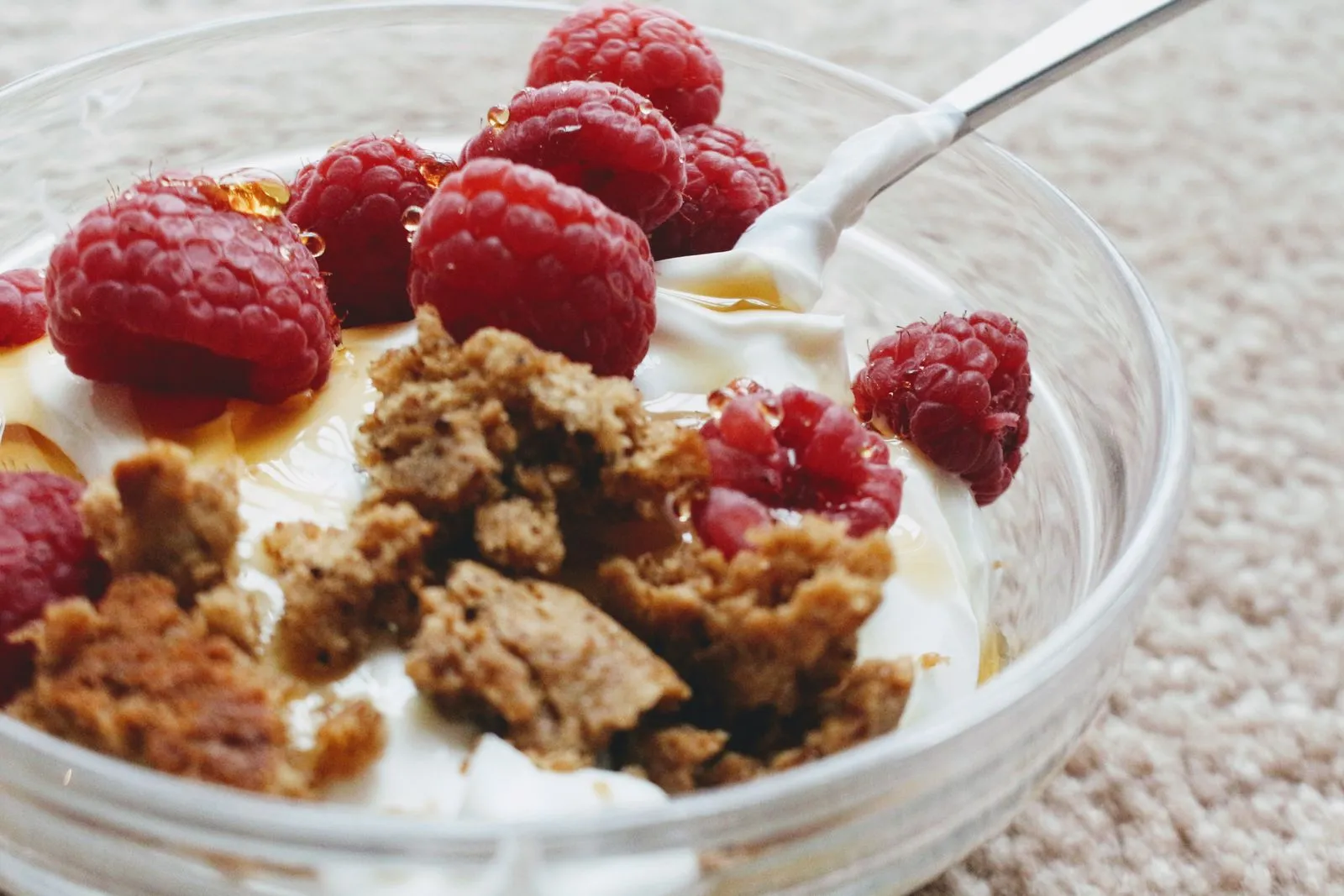
A high protein breakfast usually means about 20 to 30 g of protein in your first meal. Easy ways to get there: Greek yogurt with oats and berries, eggs on wholegrain toast, cottage cheese with fruit, a tofu scramble, or beans with eggs. Below are 10 ideas with real gram counts, and an honest look at what a protein-rich breakfast can and cannot do for you.
How much protein should breakfast have?
Most guidance for spreading protein over the day lands in the same place. The International Society of Sports Nutrition suggests about 0.25 g of protein per kg of body weight per meal, or roughly 20 to 40 g, every 3 to 4 hours. A review on protein and weight management (Leidy and colleagues, 2015) points to at least about 25 to 30 g per meal as a useful amount.
For a 70 kg person, 0.25 g/kg is about 18 g, so 20 to 30 g at breakfast is a practical, comfortable target. If you are smaller, lighter or less active, 15 to 20 g can be enough; if you are larger or training hard, aim towards 30 to 40 g.
To see how breakfast fits your whole day, check our guide on how much protein per day.
Why protein at breakfast is worth it
Many people eat a carb-heavy breakfast (toast and jam, cereal, a pastry) and save most of their protein for dinner. A small study (Mamerow and colleagues, 2014) compared the same total protein eaten either evenly across three meals (about 30 g each) or skewed towards dinner (about 11 g at breakfast and 63 g at dinner). Muscle protein synthesis over 24 hours was about 25% higher with the even pattern. It was only 8 adults over one week, so treat it as a promising signal rather than a final answer, but it fits the wider advice to spread protein out.
There is also the appetite side. Higher-protein meals have a modest effect on fullness, according to the Leidy review, which can make the rest of the morning easier if you are eating in a calorie deficit.
Does breakfast help you lose weight?
Not by itself. A 2019 meta-analysis in the BMJ (Sievert and colleagues) found that adding breakfast did not help people lose weight; people who ate breakfast actually ate about 260 kcal more per day on average, although the studies were short and of mixed quality. The takeaway: if you like breakfast, make it a protein-rich one that keeps you full. If you are not hungry in the morning, skipping it is fine too. Total daily intake is what counts.
10 high protein breakfast ideas
Protein and calories below are calculated from the USDA FoodData Central database. Brands and recipes vary, so treat them as good estimates.
| # | Breakfast | Protein | Energy |
|---|---|---|---|
| 1 | Greek yogurt bowl | about 27 g | about 360 kcal |
| 2 | 3 eggs on wholegrain toast | about 24 g | about 315 kcal |
| 3 | Cottage cheese with pear | about 25 g | about 230 kcal |
| 4 | Tofu scramble on toast | about 19 to 31 g | about 220 to 320 kcal |
| 5 | Protein overnight oats | about 23 g | about 360 kcal |
| 6 | Smoked salmon and egg toast | about 27 g | about 345 kcal |
| 7 | Beans and eggs | about 26 g | about 340 kcal |
| 8 | Ricotta toast | about 21 g | about 340 kcal |
| 9 | Peanut butter toast with milk | about 23 g | about 445 kcal |
| 10 | Savoury cottage cheese toast | about 24 g | about 210 kcal |
1. Greek yogurt bowl (about 27 g)
200 g plain low-fat Greek yogurt, 30 g oats, 100 g raspberries and 10 g chia seeds. It also brings about 13 g of fibre, roughly half of the 25 g a day that EFSA considers adequate for adults.
2. Eggs on wholegrain toast (about 24 g)
Three eggs (a large egg of about 50 g has roughly 6 g of protein) with one slice of wholemeal bread. Add spinach or tomatoes for volume at almost no calorie cost.
3. Cottage cheese with fruit (about 25 g)
200 g low-fat cottage cheese with a sliced pear and cinnamon. Quick, cold and low in calories for the protein you get.
4. Tofu scramble (about 19 to 31 g)
150 g firm tofu crumbled into a pan with turmeric, onion and pepper, served with a slice of wholemeal toast. Firmness matters: tofu ranges from about 9 g to 17 g of protein per 100 g, so check the label.
5. Protein overnight oats (about 23 g)
50 g oats soaked overnight in 200 ml semi-skimmed milk, then stirred through with 100 g Greek yogurt. Add fruit in the morning.
6. Smoked salmon and egg toast (about 27 g)
Two slices of wholemeal bread, 60 g smoked salmon and one egg.
7. Beans and eggs (about 26 g)
150 g cooked black beans warmed with salsa and topped with two eggs. It also provides about 13 g of fibre.
8. Ricotta toast (about 21 g)
100 g part-skim ricotta on two slices of wholemeal toast, with sliced tomato or berries.
9. Peanut butter toast with milk (about 23 g)
Two slices of wholemeal toast with 20 g peanut butter and a 250 ml glass of semi-skimmed milk. Tasty and easy, but higher in calories than the others, so it suits active days.
10. Savoury cottage cheese toast (about 24 g)
150 g low-fat cottage cheese on one slice of wholemeal toast with cucumber, black pepper and herbs.
Quick protein boosters
If your usual breakfast is low in protein, you do not have to change it completely. Add one of these (per portion, from USDA data):
- 1 large egg: about 6 g
- 100 g Greek yogurt: about 10 g
- 100 g low-fat cottage cheese: about 10 to 12 g
- 250 ml semi-skimmed milk instead of water in porridge: about 8 g
- 20 g hemp seeds: about 6 g
- 30 g almonds: about 6 g
Protein powder is also an option; values differ a lot between products, so read the label.
Common mistakes
- Relying on “protein” labelled snacks. A bar or cereal with added protein can still be high in sugar and calories. Check grams of protein per 100 kcal rather than the front of the pack.
- Forgetting the rest of the plate. A good breakfast also brings fibre from fruit, vegetables, oats or wholegrain bread.
- Going all-in on breakfast and skipping protein later. The aim is to spread it out, not to move it all to the morning.
Make it a habit
Pick two or three breakfasts from the list that you enjoy and rotate them. When you repeat meals, tracking becomes almost effortless. In PixNutri you can photograph your bowl or plate and get an estimate of protein, calories and fibre; check the numbers against the portion you actually ate, and adjust if you used more yogurt or less bread than it looks. Once a breakfast is logged, you know its numbers for next time.
If you want something between meals too, see our healthy snacks under 200 calories, and for the fibre side of breakfast, how much fiber per day.
FAQ
What is a good high protein breakfast for weight loss?
Something with 20 to 30 g of protein, plenty of fibre and moderate calories, such as Greek yogurt with oats and berries or cottage cheese with fruit. Both come in at about 230 to 360 kcal.
How can I get 30 g of protein at breakfast?
Combine two protein sources: for example, 3 eggs plus a slice of wholemeal toast and a glass of milk, or 200 g Greek yogurt with 100 g cottage cheese and oats.
Is it OK to skip breakfast?
Yes, for most healthy adults. Research does not show that eating breakfast helps weight loss. If you do eat breakfast, a protein-rich one tends to keep you fuller.
What is a vegan high protein breakfast?
A tofu scramble on wholegrain toast or beans on toast are good options; with firm tofu, a scramble can reach 20 to 30 g of protein.
Are eggs every day fine?
For most healthy people, eggs can be part of a balanced breakfast. If you have high cholesterol, diabetes or heart disease, ask your doctor or a registered dietitian how many suit you.
Sources
- Jäger R et al. International Society of Sports Nutrition Position Stand: protein and exercise. J Int Soc Sports Nutr, 2017
- Mamerow MM et al. Dietary protein distribution positively influences 24-h muscle protein synthesis in healthy adults. J Nutr, 2014
- Leidy HJ et al. The role of protein in weight loss and maintenance. Am J Clin Nutr, 2015
- Sievert K et al. Effect of breakfast on weight and energy intake: systematic review and meta-analysis of randomised controlled trials. BMJ, 2019
- EFSA. EFSA sets European dietary reference values for nutrient intakes (carbohydrates, fibre, fats), 2010
- USDA FoodData Central (SR Legacy food composition data)
Written by the PixNutri Editorial Team. PixNutri provides general information, not medical advice. Learn how we work: Methodology · Nutrition sources · Editorial policy
Spotted a factual error? Report it to our editorial team. We review every report and update the page if needed.
