Healthy Snacks Under 200 Calories: 15 Filling Ideas
15 healthy snacks under 200 calories, with portion sizes checked against USDA data, plus how to build a snack that keeps you full until your next meal.
By PixNutri Editorial Team · Published July 9, 2026 · Last updated July 9, 2026 · 8 min read
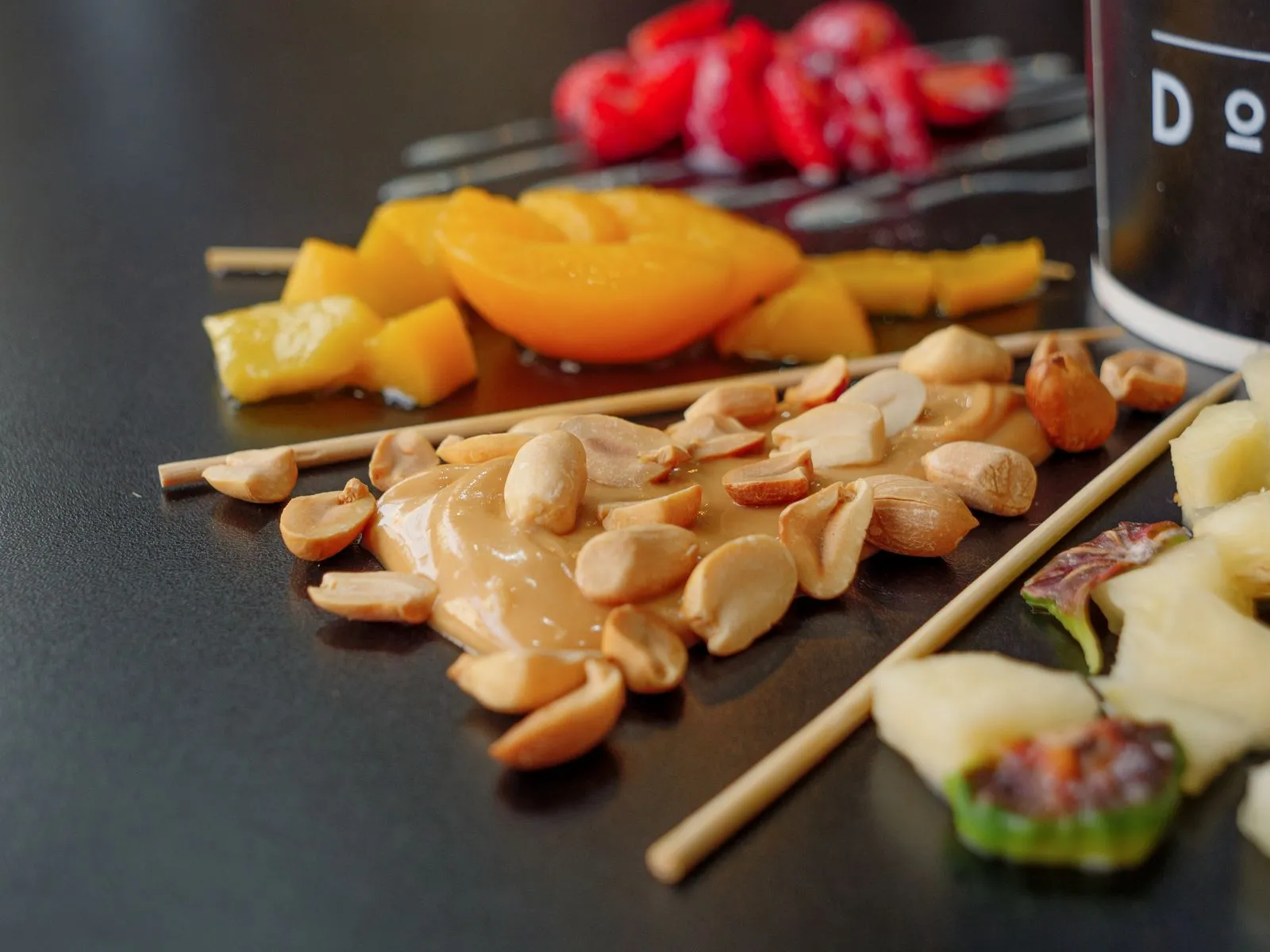
A good snack under 200 calories pairs a food with protein or fibre with something you actually enjoy: think 170 g of plain Greek yogurt with blueberries (about 145 kcal), an apple with a tablespoon of peanut butter (about 190 kcal), or 25 g of almonds (about 145 kcal). The list below gives 15 healthy snacks under 200 calories with portion sizes, so you know exactly how much “a handful” really is.
Snacks are not good or bad by default. Harvard’s Nutrition Source notes that snacking has been linked both with weight gain and with maintaining weight, and that the difference comes down to what you choose, why you are eating, and how snacks fit into your day. A planned snack that holds you until dinner can make a calorie target easier. A bag of crisps eaten out of boredom usually does the opposite.
Why 200 calories is a sensible snack size
Harvard’s rule of thumb is roughly 150 to 250 calories per snack: enough to take the edge off hunger without spoiling your appetite for the next meal. Staying at or under 200 kcal keeps you in the lower half of that range, which suits most people who are trying to lose weight or who snack more than once a day.
To put it in context, if your daily target is 1,800 kcal (see how many calories you need a day), one 200 kcal snack is about 11% of your day. Two snacks are about 22%. That leaves plenty of room for three proper meals, but it also shows why unplanned grazing adds up so quickly.
What makes a snack filling
The Nutrition Source summarises research showing that snacks made from whole foods containing protein, fibre and whole grains, such as nuts, yogurt and popcorn, tend to be more satisfying. In practice, a filling snack under 200 calories usually has:
- Protein: yogurt, cottage cheese, eggs, tuna, edamame, cheese.
- Fibre: fruit, vegetables, pulses, nuts, popcorn.
- Some volume or crunch: raw vegetables and fruit give you a lot to eat for few calories.
- Little added sugar: the NHS names biscuits, flavoured yogurts and breakfast cereals among the everyday foods that contain free sugars. The 2025 to 2030 Dietary Guidelines for Americans suggest that dairy snacks such as yogurt should stay at or below 2.5 g of added sugar per ⅔ cup.
It also helps to want the snack. Harvard makes a simple point: if you really want something salty or creamy and you force down an apple instead, you may stay unsatisfied and keep looking for food.
15 healthy snacks under 200 calories
All values below are calculated from USDA FoodData Central (SR Legacy) per-100 g data for the portion shown, then rounded. Brands differ, so treat them as good estimates, not exact numbers.
| Snack | Portion | Calories (about) | Protein (about) |
|---|---|---|---|
| Plain nonfat Greek yogurt + blueberries | 170 g + 75 g | 145 kcal | 18 g |
| Low-fat (2%) cottage cheese + strawberries | 150 g + 100 g | 155 kcal | 16 g |
| Two hard-boiled eggs | 2 large (100 g) | 155 kcal | 13 g |
| Tuna in water + cucumber slices | 100 g drained + 150 g | 110 kcal | 20 g |
| Edamame, shelled, cooked | 100 g | 120 kcal | 12 g |
| Roasted chickpeas (cooked, spiced, no oil) | 100 g | 165 kcal | 9 g |
| Part-skim mozzarella + grapes | 30 g + 100 g | 145 kcal | 8 g |
| Almonds | 25 g (about 20 nuts) | 145 kcal | 5 g |
| Pistachios, dry roasted, unsalted | 30 g | 170 kcal | 6 g |
| Apple + peanut butter | 1 medium (182 g) + 1 tbsp (16 g) | 190 kcal | 4 g |
| Carrot sticks + hummus | 100 g + 50 g | 160 kcal | 5 g |
| Brown rice cakes + peanut butter | 2 cakes (18 g) + 1 tbsp (16 g) | 165 kcal | 5 g |
| Air-popped popcorn | 25 g (about 3 cups) | 95 kcal | 3 g |
| Dark chocolate (70 to 85%) + strawberries | 20 g + 150 g | 170 kcal | 3 g |
| Banana | 1 medium (118 g) | 105 kcal | 1 g |
A few notes on the list:
- Nuts are nutritious but energy-dense: almonds have about 579 kcal per 100 g, so the portion matters more than the food. Weigh a portion once, then you will recognise it by eye.
- Popcorn is only this light when air-popped. Butter or oil changes the numbers fast; a single teaspoon of olive oil adds about 40 kcal.
- Dried fruit counts as fruit, but the NHS advises eating it with meals rather than as a between-meal snack because it is high in sugar and can harm teeth. A 5 A Day portion of dried fruit is about 30 g.
- Fruit and vegetables are the cheapest way to add volume. The NHS counts 80 g as one adult portion, so a medium apple or 7 strawberries each count as one of your 5 A Day.
Snacks by goal
High-protein snacks under 200 calories
If you are trying to protect muscle while eating less (see how much protein you need per day), the best options on the list are tuna with cucumber (about 20 g protein), Greek yogurt with berries (about 18 g), cottage cheese with strawberries (about 16 g), two eggs (about 13 g) and edamame (about 12 g). Each gives you 12 g or more of protein for under 160 kcal.
Sweet snacks
Fruit with a protein partner covers most sweet cravings: yogurt with berries, cottage cheese with strawberries, or an apple with peanut butter. If you want chocolate, 20 g of dark chocolate with a bowl of strawberries feels like a treat and stays near 170 kcal. For more on added and free sugars, read how much sugar per day is too much.
Savoury and crunchy snacks
Carrot sticks with hummus, air-popped popcorn, roasted chickpeas, rice cakes with peanut butter and a small portion of pistachios all bring crunch.
Snacks you can keep at work or in a bag
Almonds or pistachios in a small pre-weighed tub, a banana, an apple, rice cakes and a single-serve pouch of tuna all survive a day without a fridge.
A worked example: fitting two snacks into your day
Say your target is 1,800 kcal and you want an afternoon and an evening snack.
- Afternoon: apple + 1 tbsp peanut butter = about 95 + 96 = 191 kcal
- Evening: 170 g Greek yogurt + 75 g blueberries = about 100 + 43 = 143 kcal
- Snacks total: 191 + 143 = 334 kcal
- Left for meals: 1,800 − 334 = 1,466 kcal, or roughly 490 kcal each for three meals
Now compare an unplanned version: a 50 g bag of plain crisps (about 265 kcal) and a 50 g milk chocolate bar (about 270 kcal) add up to roughly 535 kcal, using the same USDA data. That is 200 kcal more than both planned snacks together, with about a third of the protein (roughly 7 g versus 22 g).
How to make snacks work for you
Harvard suggests treating snacks the way you would plan a meal. A short checklist:
- Check why you are eating. If you are hungry, have a snack. If you are bored, stressed or tired, try a short walk, a glass of water or a pause first.
- Pick the snack in advance. Decide on one or two options for the week and buy only those.
- Portion it out. Harvard points out that bigger packages lead people to eat more, and that a “single” bag often holds two or three servings. Put the portion in a bowl and close the bag.
- Read the serving size on the label. For packaged snacks, the calories per serving may not be the calories per pack. Our guide to counting calories without a food scale has quick ways to estimate portions by eye.
- Log it. Snacks are the easiest thing to forget. A quick photo in PixNutri gives you an estimate of calories, protein, carbs, fat, fibre and sugar; for packaged snacks, scanning the barcode pulls the label data instead. Photo estimates can be off when ingredients are hidden, so check the portion and adjust it if needed.
- Eat it slowly. Harvard recommends mindful strategies such as small bites, chewing well and noticing the taste and texture.
FAQ
What is the most filling snack under 200 calories?
Snacks that combine protein and fibre tend to be the most satisfying. Greek yogurt with berries, cottage cheese with fruit, eggs, edamame and tuna with vegetables are good starting points.
Are nuts good for weight loss if they are high in calories?
They can fit well, as long as you weigh the portion. About 25 g of almonds is roughly 145 kcal. Eating straight from a large bag is where the calories add up.
How many snacks a day should I eat?
There is no fixed number. Harvard notes that snacking advice from public health bodies generally works on about two snacks a day. What matters more is that your snacks fit your total daily calories and do not replace proper meals.
Is fruit a good snack if it contains sugar?
Yes. The NHS explains that sugars inside whole fruit do not count as free sugars. Juices, smoothies and dried fruit are different: keep juice to 150 ml a day and have dried fruit with a meal.
Are rice cakes a healthy snack?
Plain rice cakes are low in calories (about 35 kcal each), but they have little protein. Top them with peanut butter, cottage cheese or hummus to make them more filling.
Sources
Written by the PixNutri Editorial Team. PixNutri provides general information, not medical advice. Learn how we work: Methodology · Nutrition sources · Editorial policy
Spotted a factual error? Report it to our editorial team. We review every report and update the page if needed.
