
16:8 Intermittent Fasting Schedule for Beginners
A practical 16:8 intermittent fasting schedule: sample eating windows for different routines, what to eat, how to start gradually and who should skip it.
By PixNutri Editorial Team · Published September 14, 2026 · Last updated September 14, 2026 · 7 min read
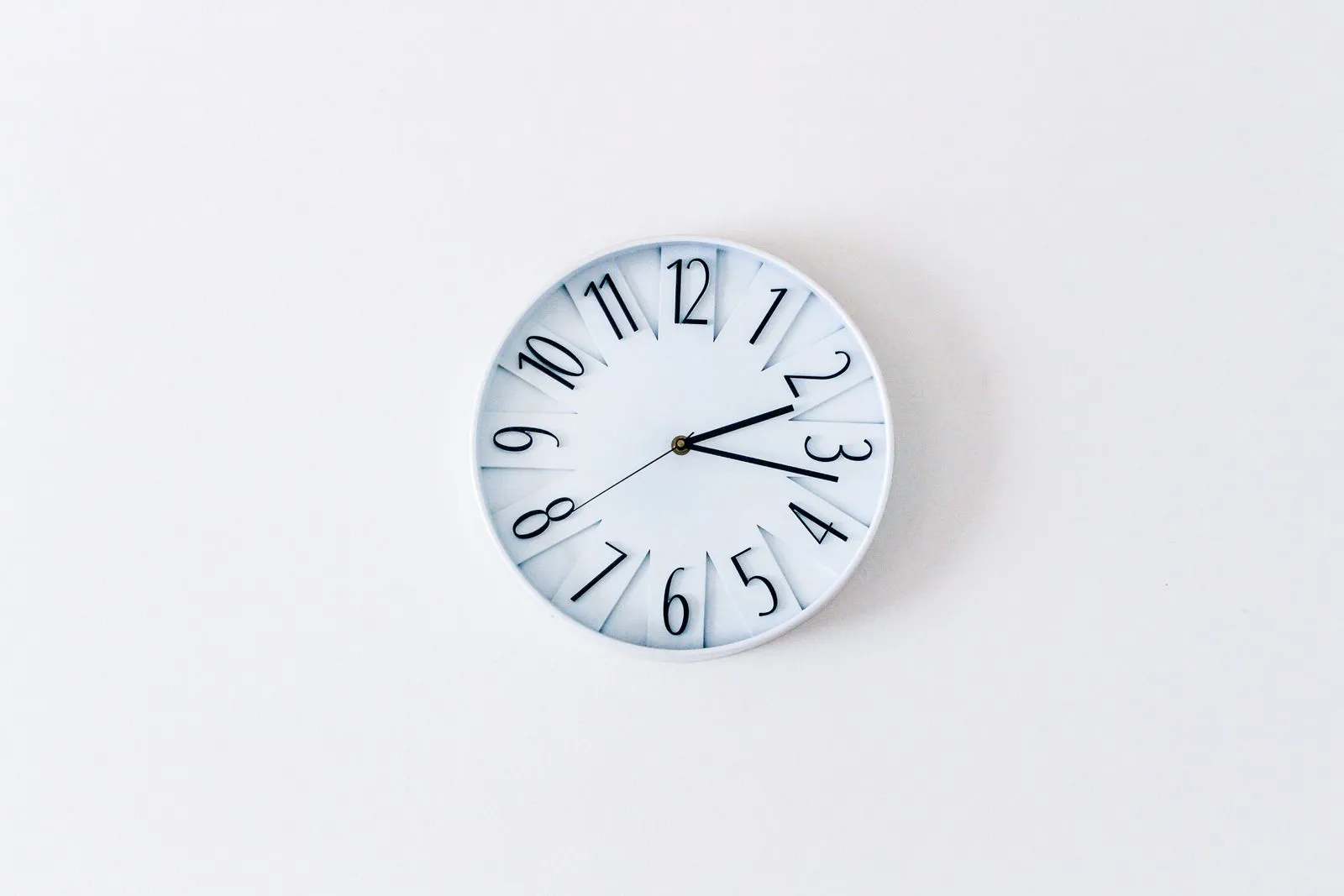
A 16:8 intermittent fasting schedule means you eat all your food within an 8-hour window and have nothing but water, plain tea or black coffee for the other 16 hours. The most common beginner schedule is eating from 12:00 to 20:00, which is the window used in the TREAT trial, but any 8 hours that fit your day will do. Start with a 12-hour overnight gap, lengthen it slowly, and fill the window with normal, balanced meals.
This guide is about the practical side: sample schedules for different routines, what to eat, and how to ease in. If you want to know whether fasting actually beats a regular diet for weight loss, read our separate look at what the evidence says about intermittent fasting. Short version: it works about as well as eating a little less every day, not clearly better.
How a 16:8 schedule works
The numbers are simple. A day has 24 hours; 16 of them are your fasting period and 8 are your eating window. Much of the fast happens while you sleep, so in practice 16:8 usually means either skipping breakfast, eating an early dinner, or both.
Two things 16:8 does not do:
- It does not tell you what or how much to eat. The window is a timing rule. If you eat the same total amount in 8 hours that you used to eat in 14, your weight is unlikely to change much.
- It is not a medical treatment. The National Institute on Aging says there is not enough evidence to recommend any fasting regimen to the public, and advises talking with a healthcare provider before making big changes to how you eat.
Sample 16:8 schedules for different routines
Pick the window that clashes least with your work, family meals and sleep. Consistency matters more than the exact hours.
| Routine | Eating window | Fasting period | Typical meals |
|---|---|---|---|
| Classic “skip breakfast” | 12:00 to 20:00 | 20:00 to 12:00 | Lunch 12:00, snack 16:00, dinner 19:30 |
| Early bird | 08:00 to 16:00 | 16:00 to 08:00 | Breakfast 08:00, lunch 12:30, early dinner 15:30 |
| Office worker | 10:00 to 18:00 | 18:00 to 10:00 | Late breakfast 10:00, lunch 13:30, dinner 17:30 |
| Family dinner at 20:00 | 12:30 to 20:30 | 20:30 to 12:30 | Lunch 12:30, snack 16:30, dinner with family 20:00 |
| Night or shift work | Varies | Anchored to your sleep | Eat in the 8 hours after you wake, stop well before your main sleep |
A few notes on these:
- 12:00 to 20:00 is the most sociable option because dinner stays normal. It is the window used in the 12-week TREAT trial.
- 08:00 to 16:00 keeps breakfast but means dinner is very early, which is hard with evening plans. It matches the window used in a 12-month NEJM trial, where everyone also followed a calorie target.
- Shift workers should base the window on when they sleep rather than the clock. If your hours rotate a lot, a fixed eating window may not be practical, and that is fine.
How to start 16:8 gradually
Jumping straight to 16 hours is the most common reason people give up in the first week. A gentler ramp:
- Week 1: 12:12. Stop eating after dinner and wait 12 hours before breakfast, for example 20:00 to 08:00. Many people already do this without noticing.
- Week 2: 14:10. Push breakfast back or bring dinner forward by an hour each. For example, eat from 09:00 to 19:00.
- Week 3 onward: 16:8. Move to your chosen 8-hour window, but only if 14:10 felt manageable.
- Keep what works. If 14:10 suits you and 16:8 makes you irritable or hungry all evening, there is no rule saying you must go further. Harvard’s review notes that it is still unclear how long or how often people need to fast to see any benefit.
Other practical tips for the first weeks:
- Drink during the fast. Water, sparkling water, plain tea and black coffee have almost no calories. See how much water per day for a sensible daily target.
- Watch what “black coffee” becomes. Milk, sugar, syrups and creamers add energy and effectively end the fast.
- Plan the first meal. Opening the window with a proper meal, not a handful of biscuits, makes it easier to avoid grazing for the next eight hours.
- Expect some hunger at first. It often coincides with the time you used to eat. If you feel dizzy, shaky or unwell, eat something and reconsider the plan.
What to eat in your 8-hour window
Because you are fitting a day’s food into fewer meals, each meal needs to carry more of the load. There is no special “fasting diet”; a normal balanced plate works. The Harvard Nutrition Source healthy eating guidance is a good guide: build meals from vegetables, fruit, whole grains, legumes, fish, poultry, nuts and healthy oils, and keep sugary drinks and heavily processed foods low.
A simple template for each main meal:
- Protein: eggs, Greek yogurt, fish, chicken, tofu, beans or lentils. Getting enough in two or three meals takes a little planning; our protein calculator gives you a daily target to split across the window.
- Vegetables or fruit: at least half the plate at lunch and dinner. They add fibre and volume for relatively few calories.
- Whole grains or starchy foods: oats, whole grain bread, brown rice, potatoes.
- Some healthy fat: olive oil, nuts, seeds, avocado.
A sample day on a 12:00 to 20:00 window might look like this:
- 12:00 lunch: whole grain wrap with chicken or chickpeas, salad, a piece of fruit.
- 16:00 snack: Greek yogurt with berries and a few nuts.
- 19:30 dinner: salmon or tofu, roasted vegetables, potatoes or brown rice.
If you prefer an early window, a protein-rich first meal helps you stay full; our guide to a high-protein breakfast has ideas.
Don’t turn the window into a free-for-all
The most informative trial on 16:8 without any calorie advice, the TREAT study, found that people eating from 12:00 to 20:00 lost only about a quarter of a kilo more than people eating three regular meals over 12 weeks, a difference that could be chance. In the NEJM trial, where both groups had the same calorie target, adding an 8-hour window did not produce a significant extra loss over a year.
The takeaway: the window is a tool for eating a bit less, not a replacement for it. If weight loss is your goal, get a rough daily calorie target from our calorie calculator and check that your window actually keeps you near it.
Tracking your 16:8 schedule
For the first two weeks, log what you eat inside the window. It is the quickest way to find out whether skipping breakfast lowered your intake or just made lunch and dinner bigger. In PixNutri you can snap a photo of each meal and get an AI estimate of calories and macros, or scan the barcode on packaged foods. Treat photo estimates as estimates and adjust portions or hidden oils where you know better. Water tracking helps you keep an eye on drinks during the fast, and weight tracking lets you see the trend over weeks rather than day-to-day swings.
A dedicated fasting timer is coming soon to PixNutri. Until then, a phone alarm at the start and end of your window works well.
Who should not follow a 16:8 schedule
Harvard’s diet review lists groups for whom intermittent fasting is not appropriate:
- People with diabetes, especially if you take medicines that can cause low blood sugar
- People taking medications that need to be taken with food
- Anyone with an eating disorder involving restriction, such as anorexia or bulimia nervosa
- People in an active growth stage, such as adolescents
- People who are pregnant or breastfeeding
The same review notes that long gaps without food can lead some people to overeat when they start eating again, and can increase a fixation on food. If fasting makes you anxious about food or triggers binges, stop.
If you have any ongoing health condition or take regular medication, talk to your doctor or a registered dietitian before you start. The National Institute on Aging makes the same point and adds that evidence on safety is especially thin for older adults.
FAQ
What is the best 16:8 schedule for beginners?
The one you can keep. For most people that is 12:00 to 20:00, because it only means skipping breakfast and dinner stays normal. Early birds may prefer 08:00 to 16:00.
Can I drink coffee during the 16-hour fast?
Black coffee, plain tea and water are generally fine because they have almost no calories. Milk, sugar and syrups add energy.
Do I have to fast 16:8 every day?
No. Some people do 16:8 on weekdays and relax at weekends. Research has not settled how often or how long you need to fast for any particular benefit.
How many meals should I eat in the 8-hour window?
Two meals and a snack, or three smaller meals, both work. What matters more is that the meals are balanced and that your total intake fits your goal.
Will 16:8 help me lose weight faster than a normal diet?
Current trials suggest not, when total calories are similar. It can help if the shorter window leads you to eat less overall. See our evidence review for details.
Sources
- Harvard T.H. Chan School of Public Health, The Nutrition Source. Diet Review: Intermittent Fasting for Weight Loss
- National Institute on Aging (NIH). Calorie restriction and fasting diets: What do we know?
- Lowe DA, et al. Effects of Time-Restricted Eating on Weight Loss (TREAT randomized clinical trial). JAMA Intern Med. 2020
- Liu D, et al. Calorie Restriction with or without Time-Restricted Eating in Weight Loss. N Engl J Med. 2022
Written by the PixNutri Editorial Team. PixNutri provides general information, not medical advice. Learn how we work: Methodology · Nutrition sources · Editorial policy
Spotted a factual error? Report it to our editorial team. We review every report and update the page if needed.
